

- Afhalen na 1 uur in een winkel met voorraad
- Gratis thuislevering in België vanaf € 30
- Ruim aanbod met 7 miljoen producten
- Afhalen na 1 uur in een winkel met voorraad
- Gratis thuislevering in België vanaf € 30
- Ruim aanbod met 7 miljoen producten





€ 106,45
+ 212 punten
Omschrijving
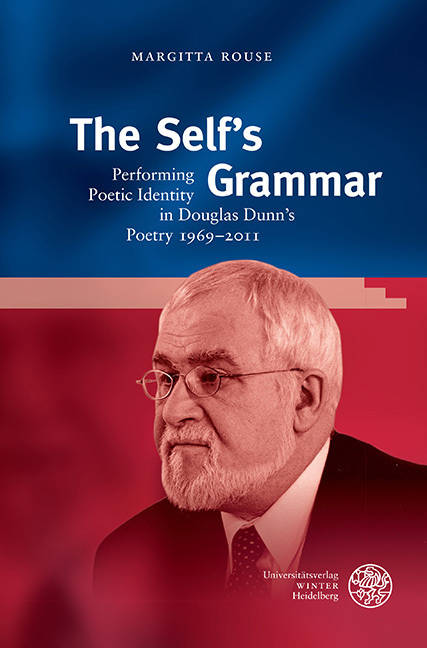
This book surveys the work of a writer esteemed as one of the most respected contemporary Scottish poets. Having worked many years in Hull, Douglas Dunn is also associated with England, and his work is thus precariously located between English, Scottish and British poetries. In charting the discursive routes of his poetry's thematic and formal concerns, this study discusses poets' struggle for canonicity in the British literary field. Offering close readings of Dunn's performances of poetic self-identification and self-authorisation, the study applies and tests a theoretical approach in the analysis of poetry which radically de-stabilises the notion of 'poetry' itself. The readings do not presuppose any poetic 'essence' but understand the 'poetic' as a process of poetic identification performed by text, author, readership and changing historical contexts. The overall concern is to investigate the aesthetic friction between a socially engendered and an individually made poetics.
Specificaties
Betrokkenen
- Auteur(s):
- Uitgeverij:
Inhoud
- Aantal bladzijden:
- 320
- Taal:
- Engels
- Reeks:
- Reeksnummer:
- nr. 29
Eigenschappen
- Productcode (EAN):
- 9783825361983
- Verschijningsdatum:
- 1/11/2013
- Uitvoering:
- Hardcover
- Formaat:
- Genaaid
- Afmetingen:
- 165 mm x 244 mm
- Gewicht:
- 652 g


Alleen bij Standaard Boekhandel
+ 212 punten op je klantenkaart van Standaard Boekhandel
CADEAU


Beoordelingen
We publiceren alleen reviews die voldoen aan de voorwaarden voor reviews. Bekijk onze voorwaarden voor reviews.