


- Afhalen na 1 uur in een winkel met voorraad
- Gratis thuislevering in België vanaf € 30
- Ruim aanbod met 7 miljoen producten
- Afhalen na 1 uur in een winkel met voorraad
- Gratis thuislevering in België vanaf € 30
- Ruim aanbod met 7 miljoen producten






Prijzen

Omschrijving
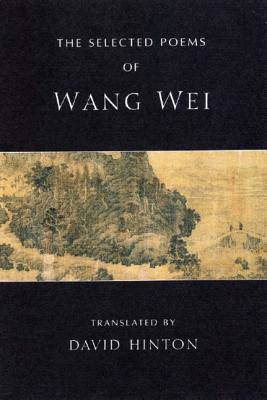
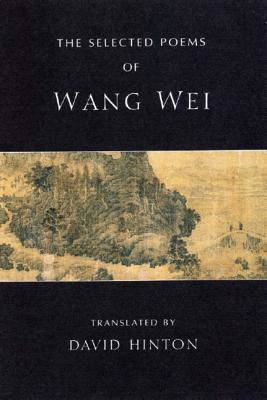
Wang Wei (701-761 C.E.) is often spoken of, with his contemporaries Li Po and Tu Fu, as one of the three greatest poets in China's 3,000-year poetic tradition. Of the three, Wang was the consummate master of the short imagistic landscape poem that came to typify classical Chinese poetry. He developed a nature poetry of resounding tranquility wherein deep understanding goes far beyond the words on the page--a poetics that can be traced to his assiduous practice of Ch'an (Zen) Buddhism. But in spite of this philosophical depth, Wang is not a difficult poet. Indeed, he may be the most immediately appealing of China's great poets, and in Hinton's masterful translations he sounds utterly contemporary. Many of his best poems are incredibly concise, composed of only twenty words, and they often turn on the tiniest details: a bird's cry, a splinter of light on moss, an egret's wingbeat. Such imagistic clarity is not surprising since Wang was also one of China's greatest landscape painters. This is a breathtaking poetry, one that in true Zen fashion renders the ten thousand things of this world in such a way that they empty the self even as they shimmer with the clarity of their own self-sufficient identity.
Specificaties
Betrokkenen
- Auteur(s):
- Uitgeverij:
Inhoud
- Aantal bladzijden:
- 128
- Taal:
- Engels
Eigenschappen
- Productcode (EAN):
- 9780811216180
- Verschijningsdatum:
- 28/06/2006
- Uitvoering:
- Paperback
- Formaat:
- Trade paperback (VS)
- Afmetingen:
- 156 mm x 228 mm
- Gewicht:
- 226 g


Alleen bij Standaard Boekhandel
+ 47 punten op je klantenkaart van Standaard Boekhandel
AANGERADEN


Beoordelingen
We publiceren alleen reviews die voldoen aan de voorwaarden voor reviews. Bekijk onze voorwaarden voor reviews.