


- Afhalen na 1 uur in een winkel met voorraad
- Gratis thuislevering in België vanaf € 30
- Ruim aanbod met 7 miljoen producten
- Afhalen na 1 uur in een winkel met voorraad
- Gratis thuislevering in België vanaf € 30
- Ruim aanbod met 7 miljoen producten





Omschrijving
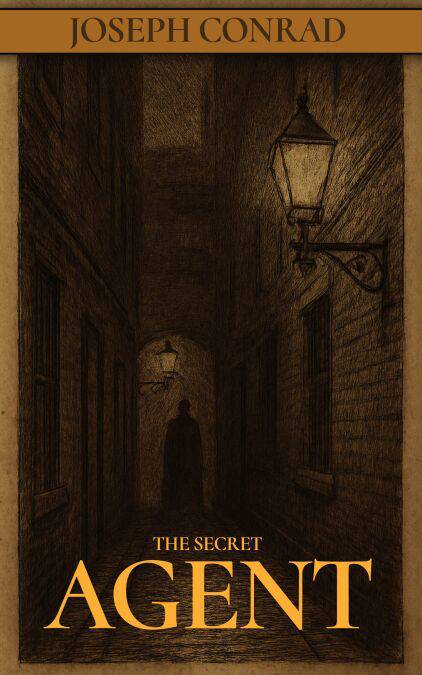
The Secret Agent is Joseph Conrad's darkly ironic and unsettling novel of espionage, terrorism, and political hypocrisy, set in the heart of late Victorian London. Blending psychological insight with grim satire, the novel exposes the emptiness of extremist ideologies and the devastating human cost of political manipulation.
The story centers on Adolf Verloc, a seemingly idle shopkeeper who secretly works as an informant and agent provocateur. Pressured by foreign officials to commit an act of political violence, Verloc becomes entangled in a plot that spirals beyond his control. At the center of the tragedy is his wife, Winnie Verloc, whose quiet endurance and unspoken strength mask a life shaped by sacrifice and moral compromise.
Told through a fragmented, non-linear narrative, Conrad reveals events from multiple perspectives, deepening the novel's atmosphere of inevitability and dread. London itself becomes a character—fog-bound, indifferent, and oppressive—mirroring the moral darkness of the plot unfolding within it.
Rather than glorifying revolution or espionage, The Secret Agent dismantles the romantic myths surrounding political violence. Conrad portrays anarchists, officials, and ordinary citizens alike as trapped in systems of fear, deception, and self-interest. The novel's chilling climax underscores the destructive consequences of apathy, fanaticism, and moral blindness.
Sharp, provocative, and disturbingly relevant, The Secret Agent stands as one of the earliest and most penetrating novels about modern terrorism. It is a masterwork of political fiction and psychological realism that continues to resonate in a world still shaped by ideological conflict and hidden power.
The story centers on Adolf Verloc, a seemingly idle shopkeeper who secretly works as an informant and agent provocateur. Pressured by foreign officials to commit an act of political violence, Verloc becomes entangled in a plot that spirals beyond his control. At the center of the tragedy is his wife, Winnie Verloc, whose quiet endurance and unspoken strength mask a life shaped by sacrifice and moral compromise.
Told through a fragmented, non-linear narrative, Conrad reveals events from multiple perspectives, deepening the novel's atmosphere of inevitability and dread. London itself becomes a character—fog-bound, indifferent, and oppressive—mirroring the moral darkness of the plot unfolding within it.
Rather than glorifying revolution or espionage, The Secret Agent dismantles the romantic myths surrounding political violence. Conrad portrays anarchists, officials, and ordinary citizens alike as trapped in systems of fear, deception, and self-interest. The novel's chilling climax underscores the destructive consequences of apathy, fanaticism, and moral blindness.
Sharp, provocative, and disturbingly relevant, The Secret Agent stands as one of the earliest and most penetrating novels about modern terrorism. It is a masterwork of political fiction and psychological realism that continues to resonate in a world still shaped by ideological conflict and hidden power.
Specificaties
Betrokkenen
- Auteur(s):
- Uitgeverij:
Inhoud
- Aantal bladzijden:
- 323
- Taal:
- Engels
Eigenschappen
- Productcode (EAN):
- 9780258123225
- Verschijningsdatum:
- 06/02/2026
- Uitvoering:
- E-book
- Beveiligd met:
- Digital watermarking
- Formaat:
- ePub


Alleen bij Standaard Boekhandel
Cadeau

AANGERADEN


Beoordelingen
We publiceren alleen reviews die voldoen aan de voorwaarden voor reviews. Bekijk onze voorwaarden voor reviews.