


- Afhalen na 1 uur in een winkel met voorraad
- Gratis thuislevering in België vanaf € 30
- Ruim aanbod met 7 miljoen producten
- Afhalen na 1 uur in een winkel met voorraad
- Gratis thuislevering in België vanaf € 30
- Ruim aanbod met 7 miljoen producten





€ 0,99
€ 1,99
Uitvoering
Omschrijving
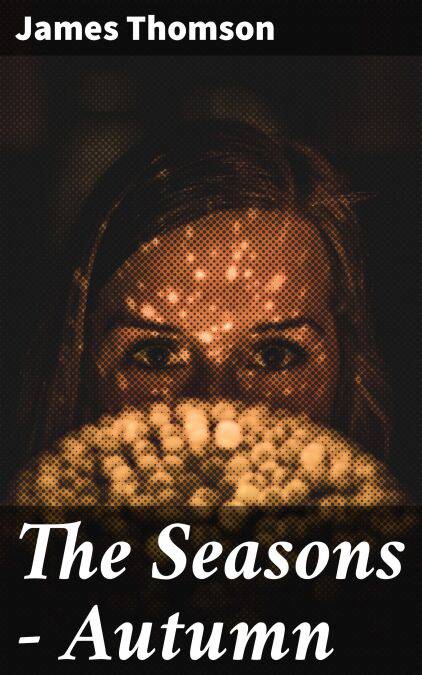
In "The Seasons 'Äî Autumn," James Thomson presents a richly evocative meditation on nature and the human condition, characteristic of the early 18th-century poetic landscape. Utilizing vivid imagery and a contemplative tone, Thomson intricately weaves together descriptions of autumn's splendor with profound reflections on life, mortality, and the inexorable passage of time. The poem is notable for its innovative use of blank verse, allowing Thomson to explore the emotional depth of his subjects with a naturalistic fluidity, setting it apart from the more rigid forms of his predecessors. This work is part of a larger series that articulates the changing seasons as metaphors for human experience, situating it within the burgeoning Romantic movement that would follow. James Thomson, a Scottish poet and playwright, often drew inspiration from his rural upbringing and the sublime landscapes of his homeland. His intimate connection with the environment is evidenced in this work, as he sought to evoke a deeper appreciation for the natural world while grappling with the philosophical implications of existence. Thomson's struggles with poverty and personal loss further imbued his poetry with a sense of urgency and poignancy, reflecting wider facets of the human experience. With its lyrical beauty and contemplative depth, "The Seasons 'Äî Autumn" is essential reading for anyone seeking to understand the interplay between nature and human emotion. It invites readers to pause and reflect on their own relationship with the changing seasons, making it a timeless piece that continues to resonate in today'Äôs world.
Specificaties
Betrokkenen
- Auteur(s):
- Uitgeverij:
Inhoud
- Aantal bladzijden:
- 27
- Taal:
- Engels
Eigenschappen
- Productcode (EAN):
- 4064066453923
- Verschijningsdatum:
- 10/04/2021
- Uitvoering:
- E-book
- Beveiligd met:
- Digital watermarking
- Formaat:
- ePub


Alleen bij Standaard Boekhandel
Cadeau

AANGERADEN


Beoordelingen
We publiceren alleen reviews die voldoen aan de voorwaarden voor reviews. Bekijk onze voorwaarden voor reviews.