

- Afhalen na 1 uur in een winkel met voorraad
- Gratis thuislevering in België vanaf € 30
- Ruim aanbod met 7 miljoen producten
- Afhalen na 1 uur in een winkel met voorraad
- Gratis thuislevering in België vanaf € 30
- Ruim aanbod met 7 miljoen producten





Omschrijving
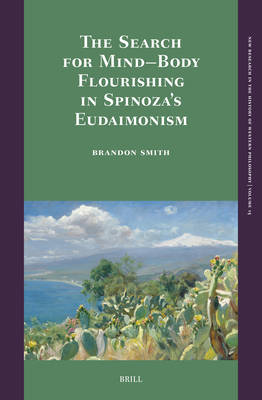
This book explores the ethical tradition of eudaimonism, which considers happiness or flourishing as (a) partly objective or naturalistic, (b) partly subjective or affective, (c) structurally stable, and (d) the highest good. It examines the insights of Aristotle, Epicurus, the Stoics, and Spinoza concerning the respective roles of pleasure, virtue, and mind and body in living an eudaimonistically happy life. Spinoza offers an especially rich account of happiness, in opposition to the intellectualism of his fellow eudaimonists, through his argument for non-reductive mind-body identity, which entails that flourishing is equally intellectual and physical in nature.
Specificaties
Betrokkenen
- Auteur(s):
- Uitgeverij:
Inhoud
- Aantal bladzijden:
- 224
- Taal:
- Engels
- Reeks:
- Reeksnummer:
- nr. 15
Eigenschappen
- Productcode (EAN):
- 9789004745636
- Verschijningsdatum:
- 13/11/2025
- Uitvoering:
- Hardcover
- Formaat:
- Genaaid
- Afmetingen:
- 155 mm x 235 mm
- Gewicht:
- 498 g


Alleen bij Standaard Boekhandel
+ 418 punten op je klantenkaart van Standaard Boekhandel
CADEAU


Beoordelingen
We publiceren alleen reviews die voldoen aan de voorwaarden voor reviews. Bekijk onze voorwaarden voor reviews.