


- Afhalen na 1 uur in een winkel met voorraad
- Gratis thuislevering in België vanaf € 30
- Ruim aanbod met 7 miljoen producten
- Afhalen na 1 uur in een winkel met voorraad
- Gratis thuislevering in België vanaf € 30
- Ruim aanbod met 7 miljoen producten





€ 187,45
+ 374 punten
Omschrijving
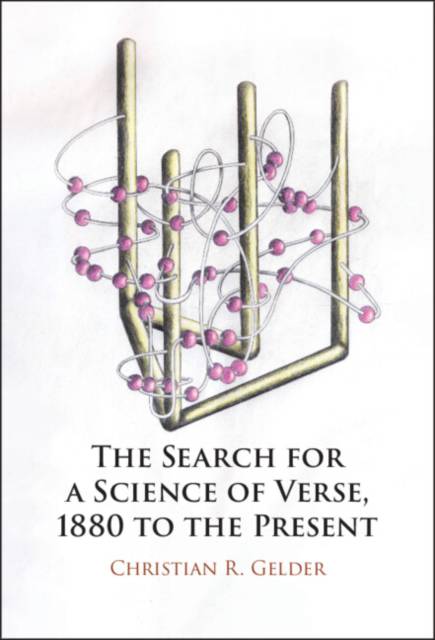
From large-scale quantitative studies in the digital humanities to AI-generated poetry, scientific reading seemingly reigns supreme. However, these reading practices preceded, and often shaped, modern literary criticism and the rise of close reading. The Search for a Science of Verse restores this history, tracing the unruly and deeply political attempts to fashion a scientific account of poetry from 1880 onwards. It also investigates a set of modern poets, from Laura Riding to Veronica Forrest-Thomson, who thought about how their verse offers a form of knowledge not reducible to scientific explanation. It gives an account of the singularity of poetic thinking in their work, which actualises instances of meaning-making that prioritise the singular over the rule-governed. The Search for a Science of Verse is thus a historical inquiry into how techno-scientific reason sought to exert its full domination over the poetic imagination--and how that imagination, in turn, responded.
Specificaties
Betrokkenen
- Auteur(s):
- Uitgeverij:
Inhoud
- Aantal bladzijden:
- 240
- Taal:
- Engels
Eigenschappen
- Productcode (EAN):
- 9781009710213
- Verschijningsdatum:
- 5/03/2026
- Uitvoering:
- Hardcover
- Formaat:
- Genaaid
- Afmetingen:
- 152 mm x 229 mm
- Gewicht:
- 489 g


Alleen bij Standaard Boekhandel
+ 374 punten op je klantenkaart van Standaard Boekhandel
Cadeau

AANGERADEN


Beoordelingen
We publiceren alleen reviews die voldoen aan de voorwaarden voor reviews. Bekijk onze voorwaarden voor reviews.