


- Afhalen na 1 uur in een winkel met voorraad
- Gratis thuislevering in België vanaf € 30
- Ruim aanbod met 7 miljoen producten
- Afhalen na 1 uur in een winkel met voorraad
- Gratis thuislevering in België vanaf € 30
- Ruim aanbod met 7 miljoen producten





€ 25,95
+ 51 punten
Uitvoering
Omschrijving
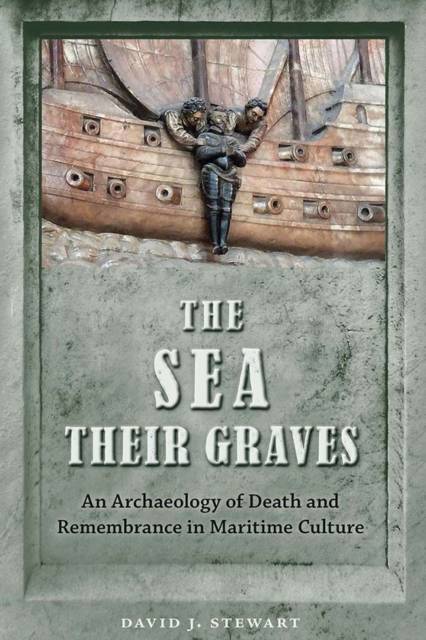
Like other groups with dangerous occupations, mariners have developed a close-knit culture bound by loss and memory. Death regularly disrupts the fabric of this culture and necessitates actions designed to mend its social structure. From the ritual of burying a body at sea to the creation of memorials to honor the missing, these events tell us a great deal about how sailors see their world. Based on a study of more than 2,100 gravestones and monuments in North America and the United Kingdom erected between the seventeenth and late twentieth centuries, David Stewart expands the use of nautical archaeology into terrestrial environments. He focuses on those who make their living at sea--one of the world's oldest and most dangerous occupations--to examine their distinct folkloric traditions, beliefs, and customs regarding death, loss, and remembrance. A volume in the series New Perspectives on Maritime History and Nautical Archaeology, edited by James C. Bradford and Gene Allen Smith
Specificaties
Betrokkenen
- Auteur(s):
- Uitgeverij:
Inhoud
- Aantal bladzijden:
- 278
- Taal:
- Engels
- Reeks:
Eigenschappen
- Productcode (EAN):
- 9780813064208
- Verschijningsdatum:
- 14/05/2019
- Uitvoering:
- Paperback
- Formaat:
- Trade paperback (VS)
- Afmetingen:
- 152 mm x 229 mm
- Gewicht:
- 412 g


Alleen bij Standaard Boekhandel
+ 51 punten op je klantenkaart van Standaard Boekhandel
Cadeau

AANGERADEN


Beoordelingen
We publiceren alleen reviews die voldoen aan de voorwaarden voor reviews. Bekijk onze voorwaarden voor reviews.