



Je cadeautjes zeker op tijd in huis hebben voor de feestdagen? Kom langs in onze winkels en vind het perfecte geschenk!
- Afhalen na 1 uur in een winkel met voorraad
- Gratis thuislevering in België vanaf € 30
- Ruim aanbod met 7 miljoen producten
Je cadeautjes zeker op tijd in huis hebben voor de feestdagen? Kom langs in onze winkels en vind het perfecte geschenk!
- Afhalen na 1 uur in een winkel met voorraad
- Gratis thuislevering in België vanaf € 30
- Ruim aanbod met 7 miljoen producten





€ 177,45
+ 354 punten
Omschrijving
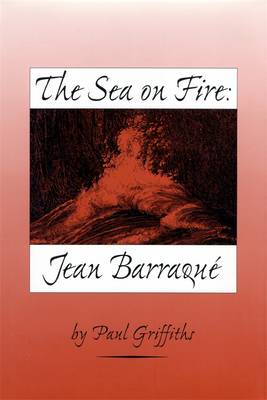
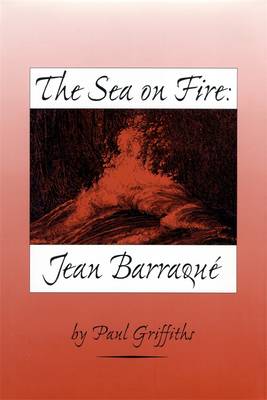
Jean Barraqué is increasingly being recognized as one of the great composers of the second half of the 20th century. Though he left only seven works, his voice in each of them is unmistakeable, and powerful. He had no doubt of his responsibility, as a creator, to take his listeners on challenging adventures that could not but leave them changed. After the collapse of morality he had witnessed as a child growing up during the Second World War, and having taken notice of so much disarray in the culture around him, he set himself to make music that would, out of chaos, speak. Three others were crucial to him. One was Pierre Boulez, who, three years older, provided him with keys to a new musical language-a language more dramatic, driving and passionate than Boulez's. Another was Michel Foucault, to whom he was close personally for a while, and with whom he had a dialogue that was determinative for both of them. Finally, in the writings of Hermann Broch-and especially in the novel The Death of Virgil-he found the myth he needed to realize musically. He played for high stakes, and he took risks-with himself as in his art. Intemperate and difficult, even with his closest friends, he died in 1973 at the age of forty-five.
Specificaties
Betrokkenen
- Auteur(s):
- Uitgeverij:
Inhoud
- Aantal bladzijden:
- 238
- Taal:
- Engels
- Reeks:
Eigenschappen
- Productcode (EAN):
- 9781580461412
- Verschijningsdatum:
- 1/12/2003
- Uitvoering:
- Hardcover
- Formaat:
- Genaaid
- Afmetingen:
- 162 mm x 237 mm
- Gewicht:
- 503 g


Alleen bij Standaard Boekhandel
+ 354 punten op je klantenkaart van Standaard Boekhandel
CADEAU


Beoordelingen
We publiceren alleen reviews die voldoen aan de voorwaarden voor reviews. Bekijk onze voorwaarden voor reviews.