


- Afhalen na 1 uur in een winkel met voorraad
- Gratis thuislevering in België vanaf € 30
- Ruim aanbod met 7 miljoen producten
- Afhalen na 1 uur in een winkel met voorraad
- Gratis thuislevering in België vanaf € 30
- Ruim aanbod met 7 miljoen producten




€ 4,99
+ 4 punten
Uitvoering
Eenvoudig bestellen
Veilig betalen


Onmiddellijk geleverd via e-mail
Omschrijving
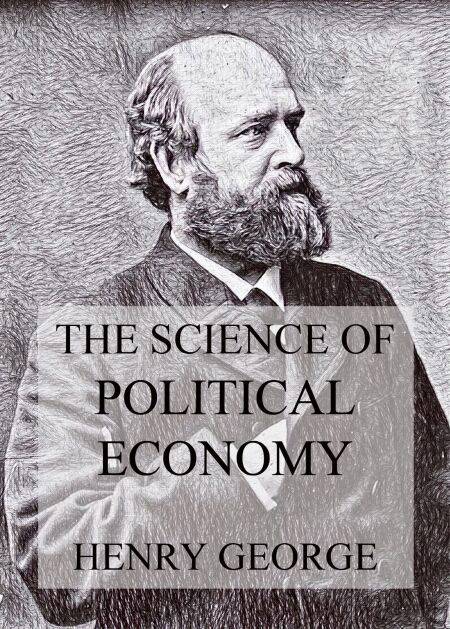
Henry George died fighting one of the most corrupt political organizations of the civilized world — a sufficient epitaph for any worthy man. But he has larger claims to respect and consideration. He made a creditable attempt to solve the root-problem of material life — poverty, — and his just-published posthumous book, " The Science of Political Economy," excites that pathetic interest which attaches to the memory of one who tried to aid his fellowman. He was eloquent, but he was free from the hysteria of demagogy. His sympathies, born of bitter vicissitude, were acute, but they were tempered with reason. He believed in the equality of opportunity ; but he believed also (as an American and an individualist) in the natural inequality of capacity. When he saw the industrial evils of the Old World reappear in one of the richest and fairest parts of the New — commercial depression, involuntary idleness, wasting capital, pecuniary distress, want, suffering, anxiety, — he was startled, and he set about to discover the cause. We value him for what he tried to do. "Progress and Poverty " was an immensely interesting and attractive book on a seemingly sapless science. It struck fire from flint, and lifted the author from obscurity to world-wide celebrity. Emerson says that every man is eloquent in that which he understands. It would be, perhaps, truer to say that every man is eloquent in that in which he fervently believes, and George believed that he had given a message. To quote his own words: " On the night on which I finished the final chapter of 'Progress and Poverty,' I felt that the talent entrusted to me had been accounted for — was more fully satisfied, more deeply grateful, than if all the Kingdoms of the earth had been laid at my feet." No one doubts his sincerity, his intellectual integrity, the cleanliness of his soul. His expectations were infinite, his faith simple. The poverty of the world lay not in Nature but in a vicious economic system ; and he thought that he had found a "sovereign remedy" which would "raise wages, increase the earnings of capital, extirpate pauperism, abolish poverty, give remunerative employment to whoever wishes it, afford free scope to human powers, lessen crime, elevate morals and taste and intelligence, purify government, and carry civilization to yet nobler heights."
Specificaties
Betrokkenen
- Auteur(s):
- Uitgeverij:
Inhoud
- Aantal bladzijden:
- 632
- Taal:
- Engels
Eigenschappen
- Productcode (EAN):
- 9783849658069
- Verschijningsdatum:
- 23/06/2020
- Uitvoering:
- E-book
- Beveiligd met:
- Digital watermarking
- Formaat:
- ePub


Alleen bij Standaard Boekhandel
+ 4 punten op je klantenkaart van Standaard Boekhandel
CADEAU

AANGERADEN


Beoordelingen
We publiceren alleen reviews die voldoen aan de voorwaarden voor reviews. Bekijk onze voorwaarden voor reviews.