


- Afhalen na 1 uur in een winkel met voorraad
- Gratis thuislevering in België vanaf € 30
- Ruim aanbod met 7 miljoen producten
- Afhalen na 1 uur in een winkel met voorraad
- Gratis thuislevering in België vanaf € 30
- Ruim aanbod met 7 miljoen producten





€ 26,45
+ 52 punten
Uitvoering
Omschrijving
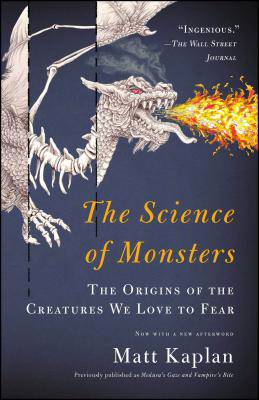
Featured on NPR's Science Friday, an "ingenious" (The Wall Street Journal) and insightful guide to history's legendary and frightening monsters and the science and culture that created them.We all know "there's no such thing as monsters," but our imaginations tell us otherwise. From the mythical beasts of ancient Greece to the hormonal vampires of the Twilight saga, monsters have captivated us for millennia. Matt Kaplan, a noted science journalist and monster-myth enthusiast, employs an entertaining mix of cutting-edge research and a love of lore to explore the history behind these fantastical fictions and our hardwired obsession with things that go bump in the night. The Science of Monsters tackles the enduring questions that arise on the frontier between fantasy and reality. Did dragons really exist? What inspired the creation of vampires and why are we so drawn to them? Are we close to making Jurassic Park a reality by replicating a dinosaur from fossilized DNA? Kaplan takes readers to the forefront of science, where our favorite figures of horror may find real-life validation.
Specificaties
Betrokkenen
- Auteur(s):
- Uitgeverij:
Inhoud
- Aantal bladzijden:
- 256
- Taal:
- Engels
Eigenschappen
- Productcode (EAN):
- 9781451667998
- Verschijningsdatum:
- 8/10/2013
- Uitvoering:
- Paperback
- Formaat:
- Trade paperback (VS)
- Afmetingen:
- 137 mm x 211 mm
- Gewicht:
- 235 g


Alleen bij Standaard Boekhandel
+ 52 punten op je klantenkaart van Standaard Boekhandel
Cadeau

AANGERADEN


Beoordelingen
We publiceren alleen reviews die voldoen aan de voorwaarden voor reviews. Bekijk onze voorwaarden voor reviews.