


- Afhalen na 1 uur in een winkel met voorraad
- Gratis thuislevering in België vanaf € 30
- Ruim aanbod met 7 miljoen producten
- Afhalen na 1 uur in een winkel met voorraad
- Gratis thuislevering in België vanaf € 30
- Ruim aanbod met 7 miljoen producten





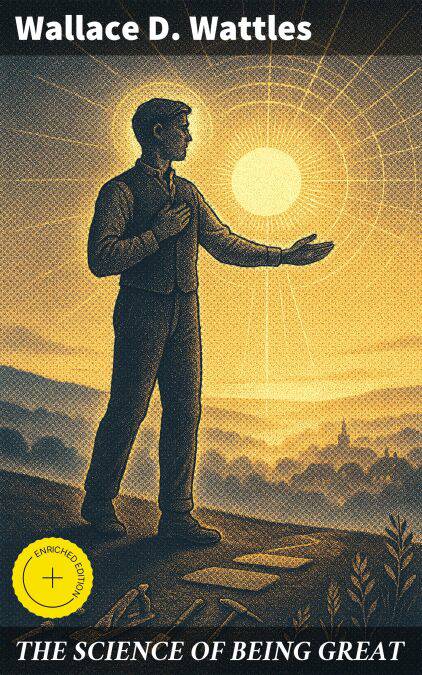
THE SCIENCE OF BEING GREAT E-BOOK
Enriched edition. A Personal Self-Help Book
Wallace D. Wattles
E-book | Engels
€ 0,49
Uitvoering
Omschrijving
In "The Science of Being Great," Wallace D. Wattles delves into the principles of personal development and success, articulating a philosophy that combines elements of pragmatism and spirituality. Written in a clear, accessible style, the book serves as both a guide and a manifesto, urging readers to harness their potential through the mastery of thoughts and actions. Wattles seamlessly intertwines his ideas with the early 20th-century ethos of the New Thought movement, advocating for a deliberate mindset that allows individuals to achieve greatness by aligning their will with universal laws of abundance and creativity. Wallace D. Wattles, an influential figure in self-help literature, was born into modest circumstances and faced numerous challenges throughout his life, including financial hardship. His experiences catalyzed his quest for understanding the connection between thought and action, culminating in his belief that anyone could attain greatness through disciplined mental practices. This background profoundly influenced his writing, making his insights not only relatable but also inspirational for a broad audience. I highly recommend "The Science of Being Great" to anyone seeking to unlock their potential and achieve personal success. Its timeless principles continue to resonate today, providing readers with actionable wisdom to cultivate a life of fulfillment and excellence.
In this enriched edition, we have carefully created added value for your reading experience:
- A succinct Introduction situates the work's timeless appeal and themes.
- The Synopsis outlines the central plot, highlighting key developments without spoiling critical twists.
- A detailed Historical Context immerses you in the era's events and influences that shaped the writing.
- A thorough Analysis dissects symbols, motifs, and character arcs to unearth underlying meanings.
- Reflection questions prompt you to engage personally with the work's messages, connecting them to modern life.
- Hand‐picked Memorable Quotes shine a spotlight on moments of literary brilliance.
- Interactive footnotes clarify unusual references, historical allusions, and archaic phrases for an effortless, more informed read.
In this enriched edition, we have carefully created added value for your reading experience:
- A succinct Introduction situates the work's timeless appeal and themes.
- The Synopsis outlines the central plot, highlighting key developments without spoiling critical twists.
- A detailed Historical Context immerses you in the era's events and influences that shaped the writing.
- A thorough Analysis dissects symbols, motifs, and character arcs to unearth underlying meanings.
- Reflection questions prompt you to engage personally with the work's messages, connecting them to modern life.
- Hand‐picked Memorable Quotes shine a spotlight on moments of literary brilliance.
- Interactive footnotes clarify unusual references, historical allusions, and archaic phrases for an effortless, more informed read.
Specificaties
Betrokkenen
- Auteur(s):
- Uitgeverij:
Inhoud
- Aantal bladzijden:
- 70
- Taal:
- Engels
Eigenschappen
- Productcode (EAN):
- 8596547672838
- Verschijningsdatum:
- 19/11/2023
- Uitvoering:
- E-book
- Beveiligd met:
- Digital watermarking
- Formaat:
- ePub


Alleen bij Standaard Boekhandel
Cadeau

AANGERADEN


Beoordelingen
We publiceren alleen reviews die voldoen aan de voorwaarden voor reviews. Bekijk onze voorwaarden voor reviews.