


- Afhalen na 1 uur in een winkel met voorraad
- Gratis thuislevering in België vanaf € 30
- Ruim aanbod met 7 miljoen producten
- Afhalen na 1 uur in een winkel met voorraad
- Gratis thuislevering in België vanaf € 30
- Ruim aanbod met 7 miljoen producten





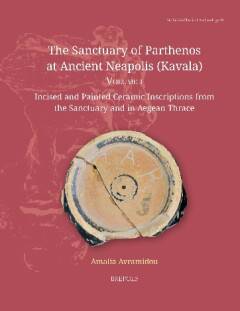
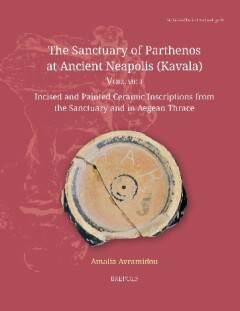
The Sanctuary of Parthenos at Ancient Neapolis (Kavala) Volume I
Incised and Painted Ceramic Inscriptions from the Sanctuary and in Aegean Thrace
Amalia Avramidou
€ 121,90
+ 243 punten
Omschrijving
The ancient city of Neapolis (modern Kavala, Greece) was founded by Thasos in the seventh century bce at a strategic location where the Thracian hinterlands meet the Aegean Sea. The patron deity of this North Aegean polis was Parthenos (the Maiden), known to us through epigraphic and archaeological evidence. Her sanctuary came to light in the twentieth century during rescue excavations, and yielded numerous finds, most of which date from the Archaic period. This monograph provides a discussion of the history of excavations at this sanctuary, as well as a contextual examination of the material, leading to a new interpretation of Parthenos' identity. Among the wealth of finds from the site, the corpus of incised and painted ceramic inscriptions stands out, as it offers a unique glimpse into the history of the cosmopolitan temenos and the dedicatory practices and rituals that took place there. The inscribed vessels carry dedications, numerical and other graffiti, and dipinti, as well as the initials of the goddess, which designate them as sacred equipment. When considered in the context of the ceramic inscriptions from sanctuaries across Aegean Thrace, they further underscore the important role of Neapolis and the Sanctuary of Parthenos in the commercial networks and cultural dynamics of the Aegean, both in the early stages of Greek colonization, and in the centuries that followed.
Specificaties
Betrokkenen
- Auteur(s):
- Uitgeverij:
Inhoud
- Aantal bladzijden:
- 208
- Taal:
- Engels
- Reeks:
- Reeksnummer:
- nr. 15
Eigenschappen
- Productcode (EAN):
- 9782503614809
- Verschijningsdatum:
- 15/05/2025
- Uitvoering:
- Paperback
- Formaat:
- Trade paperback (VS)
- Gewicht:
- 589 g


Alleen bij Standaard Boekhandel
+ 243 punten op je klantenkaart van Standaard Boekhandel
Cadeau

AANGERADEN


Beoordelingen
We publiceren alleen reviews die voldoen aan de voorwaarden voor reviews. Bekijk onze voorwaarden voor reviews.