


- Afhalen na 1 uur in een winkel met voorraad
- Gratis thuislevering in België vanaf € 30
- Ruim aanbod met 7 miljoen producten
- Afhalen na 1 uur in een winkel met voorraad
- Gratis thuislevering in België vanaf € 30
- Ruim aanbod met 7 miljoen producten





Omschrijving
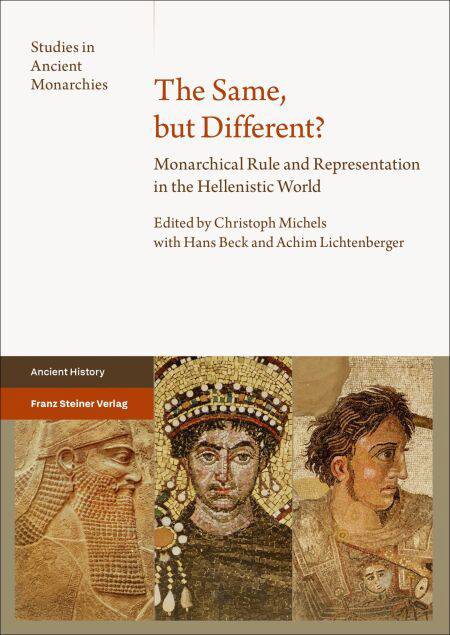
When Hellenistic kingship – with its "charismatic", to some extent even excessive character – emerged in the wake of Alexander, it was perceived already by contemporaries as something genuinely new. This can be observed above all in the reception of central symbolic forms of expression and practices by non-Macedonian rulers. However, scholars have also emphasized the multifaceted nature of monarchical rule in the Hellenistic age. On the one hand, important impulses for the monarch's persona came from the culture-specific reasons for obedience (Weber) on the part of his respective subjects. On the other hand, the development of a monarchical habitus was shaped by the specific configuration of the multipolar Hellenistic world system: royal competition was carried out as one among peers, before a public that was in essence culturally Greek.
The studies collected in this volume focus on the development of concepts of rule and ideologemes as well as the cross-fertilization between the Hellenistic dynasties and in conversation with local traditions of rule. Finally, the authors address the question as to what extent the coming of Rome brought about a turning point for monarchical representation.
The studies collected in this volume focus on the development of concepts of rule and ideologemes as well as the cross-fertilization between the Hellenistic dynasties and in conversation with local traditions of rule. Finally, the authors address the question as to what extent the coming of Rome brought about a turning point for monarchical representation.
Specificaties
Betrokkenen
- Auteur(s):
- Uitgeverij:
Inhoud
- Aantal bladzijden:
- 693
- Taal:
- Duits, Engels
- Reeks:
Eigenschappen
- Productcode (EAN):
- 9783515136426
- Verschijningsdatum:
- 23/10/2024
- Uitvoering:
- E-book
- Beveiligd met:
- Digital watermarking
- Formaat:



Alleen bij Standaard Boekhandel
+ 110 punten op je klantenkaart van Standaard Boekhandel
Cadeau

AANGERADEN


Beoordelingen
We publiceren alleen reviews die voldoen aan de voorwaarden voor reviews. Bekijk onze voorwaarden voor reviews.