


- Afhalen na 1 uur in een winkel met voorraad
- Gratis thuislevering in België vanaf € 30
- Ruim aanbod met 7 miljoen producten
- Afhalen na 1 uur in een winkel met voorraad
- Gratis thuislevering in België vanaf € 30
- Ruim aanbod met 7 miljoen producten





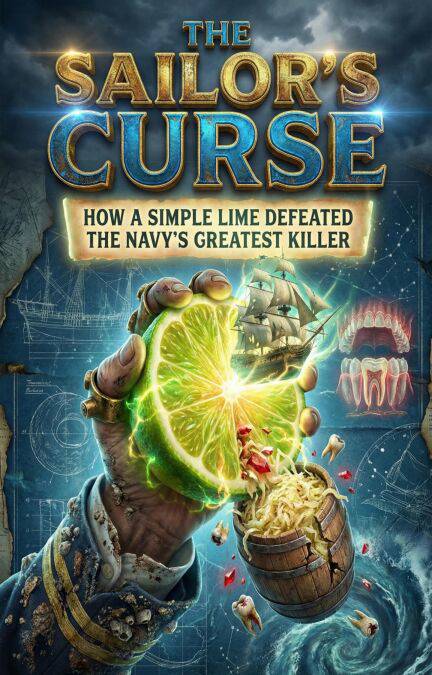
The Sailor's Curse E-BOOK
How a simple lime defeated the navy's greatest killer
Alan Cross
E-book | Engels
€ 4,99
+ 4 punten
Omschrijving
"The Sailor's Curse – How a simple lime defeated the navy's greatest killer" tackles the history of scurvy, a disease that killed more sailors than all storms and battles combined. For centuries, the cure for this horrific condition was a mystery, leading to the loss of millions of lives on long voyages. This book tracks the agonizingly slow acceptance of the cure: citrus fruit.
Science writer Alan Cross tells the story of James Lind, who conducted the first clinical trial in history on board a ship in 1747. Despite proving that lemons and oranges cured the disease, it took the British Navy another 40 years to implement the findings. The book explores the bureaucratic arrogance and medical dogmas that delayed the solution.
"The Sailor's Curse" is a lesson in how difficult it is to change established beliefs, even when the evidence is undeniable. It explains why British sailors are called "Limeys" and how the conquest of scurvy finally allowed the Royal Navy to dominate the globe.
Science writer Alan Cross tells the story of James Lind, who conducted the first clinical trial in history on board a ship in 1747. Despite proving that lemons and oranges cured the disease, it took the British Navy another 40 years to implement the findings. The book explores the bureaucratic arrogance and medical dogmas that delayed the solution.
"The Sailor's Curse" is a lesson in how difficult it is to change established beliefs, even when the evidence is undeniable. It explains why British sailors are called "Limeys" and how the conquest of scurvy finally allowed the Royal Navy to dominate the globe.
Specificaties
Betrokkenen
- Auteur(s):
- Uitgeverij:
Inhoud
- Aantal bladzijden:
- 215
- Taal:
- Engels
Eigenschappen
- Productcode (EAN):
- 9783565194032
- Verschijningsdatum:
- 24/01/2026
- Uitvoering:
- E-book
- Formaat:
- ePub



Alleen bij Standaard Boekhandel
+ 4 punten op je klantenkaart van Standaard Boekhandel
Cadeau

AANGERADEN


Beoordelingen
We publiceren alleen reviews die voldoen aan de voorwaarden voor reviews. Bekijk onze voorwaarden voor reviews.