


- Afhalen na 1 uur in een winkel met voorraad
- Gratis thuislevering in België vanaf € 30
- Ruim aanbod met 7 miljoen producten
- Afhalen na 1 uur in een winkel met voorraad
- Gratis thuislevering in België vanaf € 30
- Ruim aanbod met 7 miljoen producten





€ 46,19
+ 92 punten
Omschrijving
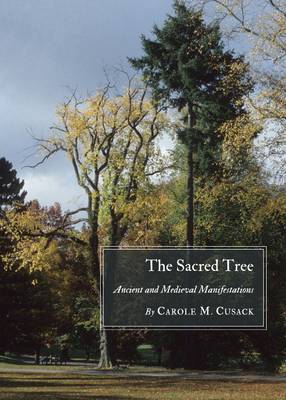
The fundamental nature of the tree as a symbol for many communities reflects the historical reality that human beings have always interacted with and depended upon trees for their survival. Trees provided one of the earliest forms of shelter, along with caves, and the bounty of trees, nuts, fruits, and berries, gave sustenance to gatherer-hunter populations. This study has concentrated on the tree as sacred and significant for a particular group of societies, living in the ancient and medieval eras in the geographical confines of Europe, and sharing a common Indo-European inheritance, but sacred trees are found throughout the world, in vastly different cultures and historical periods. Sacred trees feature in the religious frameworks of the Ghanaian Akan, Arctic Altaic shamanic communities, and in China and Japan. The power of the sacred tree as a symbol is derived from the fact that trees function as homologues of both human beings and of the cosmos. This study concentrates the tree as axis mundi (hub or centre of the world) and the tree as imago mundi (picture of the world). The Greeks and Romans in the ancient world, and the Irish, Anglo-Saxons, continental Germans and Scandinavians in the medieval world, all understood the power of the tree, and its derivative the pillar, as markers of the centre. Sacred trees and pillars dotted their landscapes, and the territory around them derived its meaning from their presence. Unfamiliar or even hostile lands could be tamed and made meaningful by the erection of a monument that replicated the sacred centre. Such monuments also linked with boundaries, and by extension with law and order, custom and tradition. The sacred tree and pillar as centre symbolized the stability of the cosmos and of society. When the Pagan peoples of Europe adopted Christianity, the sacred trees and pillars, visible signs of the presence of the gods in the landscape, were popular targets for axe-wielding saints and missionaries who desired to force the conversion of the landscape as well as the people. Yet Christianity had its own tree monument, the cross on which Jesus Christ was crucified, and which came to signify resurrected life and the conquest of eternal death for the devout. As European Pagans were converted to Christianity, their tree and pillar monuments were changed into Christian forms; the great standing crosses of Anglo-Saxon northern England played many of the same roles as Pagan sacred trees and pillars. Irish and Anglo-Saxons Christians often combined the image of the Tree of Life from the Garden of Eden with Christ on the cross, to produce a Christian version of the tree as imago mundi.
Specificaties
Betrokkenen
- Auteur(s):
- Uitgeverij:
Inhoud
- Aantal bladzijden:
- 195
- Taal:
- Engels
Eigenschappen
- Productcode (EAN):
- 9781443828574
- Verschijningsdatum:
- 7/03/2011
- Uitvoering:
- Hardcover
- Formaat:
- Genaaid
- Afmetingen:
- 152 mm x 203 mm
- Gewicht:
- 408 g


Alleen bij Standaard Boekhandel
+ 92 punten op je klantenkaart van Standaard Boekhandel
Cadeau

AANGERADEN


Beoordelingen
We publiceren alleen reviews die voldoen aan de voorwaarden voor reviews. Bekijk onze voorwaarden voor reviews.