


- Afhalen na 1 uur in een winkel met voorraad
- Gratis thuislevering in België vanaf € 30
- Ruim aanbod met 7 miljoen producten
- Afhalen na 1 uur in een winkel met voorraad
- Gratis thuislevering in België vanaf € 30
- Ruim aanbod met 7 miljoen producten





€ 169,45
+ 338 punten
Omschrijving
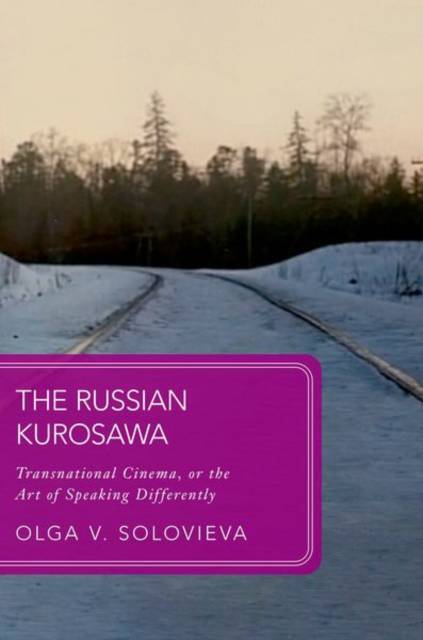
The Russian Kurosawa offers a new historical perspective on the work of the renowned Japanese film director Akira Kurosawa. It uncovers Kurosawa's debt to the intellectual tradition of Japanese-Russian democratic dissent, reflected in the affinity for Kurosawa's worldview expressed by such Russian directors as Grigory Kozintsev and Andrei Tarkovsky. Through a detailed discussion of the Russian subtext of Kurosawa's cinema, most clearly manifested in the director's films based on Dostoevsky, Tolstoy, Gorky, and Arseniev, the book shows that Kurosawa used Russian intertexts to deal with the most politically sensitive topics of postwar Japan. Locating the director in the cultural tradition of Russian-inflected Japanese anarchism, the book challenges prevalent views of Akira Kurosawa as an apolitical art house director or a conformist studio filmmaker of muddled ideological alliances by offering a philosophically consistent picture of the director's participation in postwar debates on cultural and political reconstruction.
Specificaties
Betrokkenen
- Auteur(s):
- Uitgeverij:
Inhoud
- Aantal bladzijden:
- 358
- Taal:
- Engels
- Reeks:
Eigenschappen
- Productcode (EAN):
- 9780192866004
- Verschijningsdatum:
- 3/08/2023
- Uitvoering:
- Hardcover
- Formaat:
- Genaaid
- Afmetingen:
- 165 mm x 229 mm
- Gewicht:
- 771 g


Alleen bij Standaard Boekhandel
+ 338 punten op je klantenkaart van Standaard Boekhandel
Cadeau

AANGERADEN


Beoordelingen
We publiceren alleen reviews die voldoen aan de voorwaarden voor reviews. Bekijk onze voorwaarden voor reviews.