


- Afhalen na 1 uur in een winkel met voorraad
- Gratis thuislevering in België vanaf € 30
- Ruim aanbod met 7 miljoen producten
- Afhalen na 1 uur in een winkel met voorraad
- Gratis thuislevering in België vanaf € 30
- Ruim aanbod met 7 miljoen producten





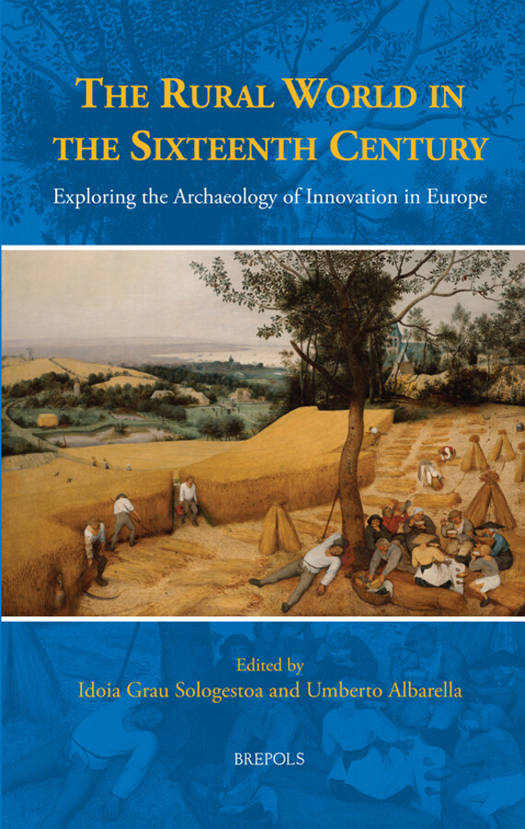
The Rural World in the Sixteenth Century
Exploring the Archaeology of Innovation in Europe
Idoia Grau Sologestoa
€ 68,90
+ 137 punten
Omschrijving
The sixteenth century in Europe was a time of profound change, the threshold between the 'medieval' and the 'modern', as new technologies were introduced, distant lands explored, oceanic trade routes opened, and innovative ideas pursued in fields as varied as politics, science, philosophy, law, and religion. But sweeping transformations also occurred in the rural world, profoundly altering the countryside in both appearance and practices. Crucially for historians, there is abundant documentary evidence for these changes but, while they are less well-documented, their impact can also be traced archaeologically. This cutting-edge volume is the first to explore the archaeology of the rural world across the 'long' sixteenth century and to investigate the changing innovations that were seen in landscape, technology, agriculture, and husbandry during this period. Drawing together contributions from across Europe, and from a range of archaeological disciplines, including zooarchaeology, archaeobotany, landscape archaeology, material culture studies, and technology, this collection of essays sheds new light on a key period of innovation that was a significant precursor to modern economies and societies.
Specificaties
Betrokkenen
- Auteur(s):
- Uitgeverij:
Inhoud
- Aantal bladzijden:
- 225
- Taal:
- Engels
- Reeks:
- Reeksnummer:
- nr. 11
Eigenschappen
- Productcode (EAN):
- 9782503597058
- Verschijningsdatum:
- 10/02/2022
- Uitvoering:
- Hardcover
- Formaat:
- Genaaid
- Gewicht:
- 5207 g


Alleen bij Standaard Boekhandel
+ 137 punten op je klantenkaart van Standaard Boekhandel
AANGERADEN


Beoordelingen
We publiceren alleen reviews die voldoen aan de voorwaarden voor reviews. Bekijk onze voorwaarden voor reviews.