


- Afhalen na 1 uur in een winkel met voorraad
- Gratis thuislevering in België vanaf € 30
- Ruim aanbod met 7 miljoen producten
- Afhalen na 1 uur in een winkel met voorraad
- Gratis thuislevering in België vanaf € 30
- Ruim aanbod met 7 miljoen producten





€ 7,95
+ 15 punten
Omschrijving
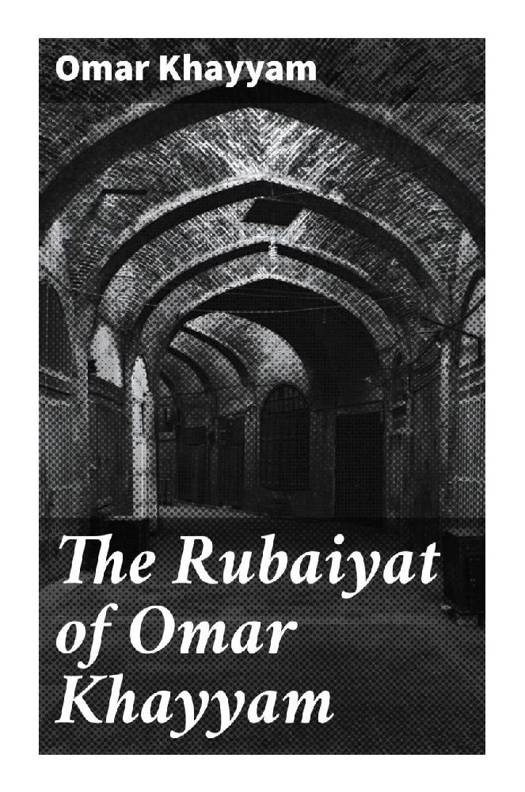
The Rubaiyat of Omar Khayyam gathers a sequence of Persian quatrains-meditative, epigrammatic, and musically compressed-on time, mortality, desire, doubt, and the consolations of wine, love, and present pleasure. Known in the West chiefly through Edward FitzGerald's nineteenth-century adaptation, the poem stands at a crossroads of Sufi imagery, classical Persian lyricism, and skeptical philosophical reflection. Its style is aphoristic yet sensuous, balancing metaphysical unease with memorable earthly images: the rose, the cup, the tavern, and the turning heavens. Omar Khayyam (1048-1131) was not only a poet but also a distinguished mathematician, astronomer, and philosopher in Seljuk Persia. His scientific work on algebra and calendar reform reveals a mind trained in precision, proportion, and cosmic order. That intellectual background helps explain the Rubaiyat's fascination with fate, transience, and the limits of human knowledge before an indifferent universe. This book is recommended to readers drawn to philosophical poetry, world literature, and compact forms of enduring beauty. Its quatrains reward rereading, offering both lyrical pleasure and profound reflection.
Specificaties
Betrokkenen
- Auteur(s):
- Vertaler(s):
- Uitgeverij:
Inhoud
- Taal:
- Engels
Eigenschappen
- Productcode (EAN):
- 9788027299447
- Uitvoering:
- Paperback
- Afmetingen:
- 152 mm x 229 mm
- Gewicht:
- 81 g


Alleen bij Standaard Boekhandel
+ 15 punten op je klantenkaart van Standaard Boekhandel
CADEAU

AANGERADEN


Beoordelingen
We publiceren alleen reviews die voldoen aan de voorwaarden voor reviews. Bekijk onze voorwaarden voor reviews.