


- Afhalen na 1 uur in een winkel met voorraad
- Gratis thuislevering in België vanaf € 30
- Ruim aanbod met 7 miljoen producten
- Afhalen na 1 uur in een winkel met voorraad
- Gratis thuislevering in België vanaf € 30
- Ruim aanbod met 7 miljoen producten





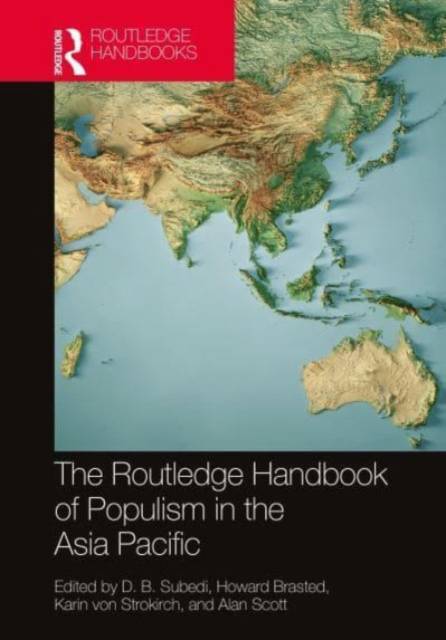
The Routledge Handbook of Populism in the Asia Pacific
€ 496,45
+ 992 punten
Omschrijving
This handbook brings national and thematic case studies together to examine a variety of populist politics from local and comparative perspectives in the Asia Pacific. The chapters consider key and cross cutting themes such as populism and nationalism, religion, ethnicity and gender, as well as authoritarianism.
Specificaties
Betrokkenen
- Uitgeverij:
Inhoud
- Aantal bladzijden:
- 426
- Taal:
- Engels
- Reeks:
Eigenschappen
- Productcode (EAN):
- 9780367701857
- Verschijningsdatum:
- 29/09/2023
- Uitvoering:
- Hardcover
- Formaat:
- Genaaid
- Afmetingen:
- 170 mm x 244 mm
- Gewicht:
- 907 g

Alleen bij Standaard Boekhandel
+ 992 punten op je klantenkaart van Standaard Boekhandel
Cadeau

AANGERADEN


Beoordelingen
We publiceren alleen reviews die voldoen aan de voorwaarden voor reviews. Bekijk onze voorwaarden voor reviews.