


- Afhalen na 1 uur in een winkel met voorraad
- Gratis thuislevering in België vanaf € 30
- Ruim aanbod met 7 miljoen producten
- Afhalen na 1 uur in een winkel met voorraad
- Gratis thuislevering in België vanaf € 30
- Ruim aanbod met 7 miljoen producten





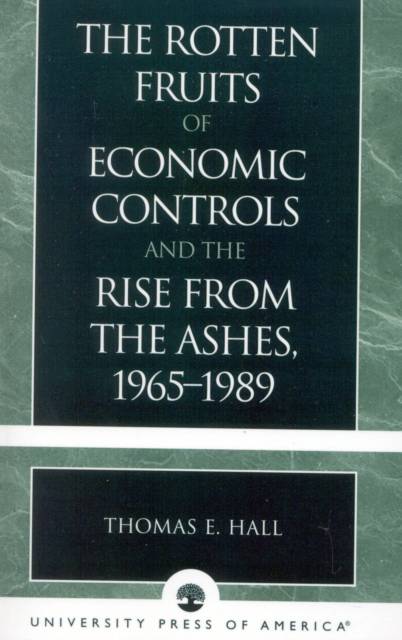
The Rotten Fruits of Economic Controls and the Rise from the Ashes, 1965-1989
Thomas E Hall
Paperback | Engels
€ 152,95
+ 305 punten
Omschrijving
During the 1970s and early 1980s, the U.S. economy followed a boom-bust cycle that included four recessions, high inflation, two bouts of soaring energy prices and petroleum shortages, a stock market that lost half of its inflation-adjusted value, and rising interest rates that eventually peaked at levels not seen since the Civil War. This book explains how this economic mess came about. The story begins with Bill Phillips, the economist who discovered an inverse relationship between inflation and unemployment. This finding led U.S. policymakers to believe that they could permanently stimulate economic growth by raising inflation. Next, it describes the various price fixing schemes put in place which eventually caused serious market imbalances: the Bretton Woods system of fixed exchange rates, the Regulation Q deposit rate ceilings, the price ceilings on petroleum and natural gas, and Richard Nixon's economy-wide price controls system. Also addressed is the role played by the heads of the Federal Reserve during these years. The book's final chapters examine how the economic program instituted in 1981 by Ronald Reagan helped cause the severe 1981-1982 recession, but also laid the foundation for the major economic boom that followed.
Specificaties
Betrokkenen
- Auteur(s):
- Uitgeverij:
Inhoud
- Aantal bladzijden:
- 296
- Taal:
- Engels
Eigenschappen
- Productcode (EAN):
- 9780761826811
- Verschijningsdatum:
- 16/09/2003
- Uitvoering:
- Paperback
- Formaat:
- Trade paperback (VS)
- Afmetingen:
- 140 mm x 216 mm
- Gewicht:
- 381 g


Alleen bij Standaard Boekhandel
+ 305 punten op je klantenkaart van Standaard Boekhandel
Cadeau

AANGERADEN


Beoordelingen
We publiceren alleen reviews die voldoen aan de voorwaarden voor reviews. Bekijk onze voorwaarden voor reviews.