


- Afhalen na 1 uur in een winkel met voorraad
- Gratis thuislevering in België vanaf € 30
- Ruim aanbod met 7 miljoen producten
- Afhalen na 1 uur in een winkel met voorraad
- Gratis thuislevering in België vanaf € 30
- Ruim aanbod met 7 miljoen producten





€ 67,95
+ 135 punten
Omschrijving
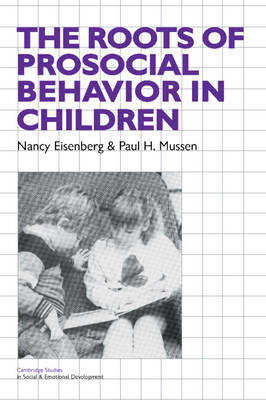
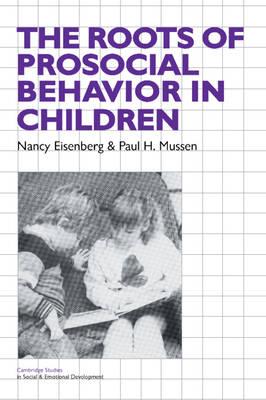
What kinds of childrearing practices foster the development of helping, sharing, and other prosocial behaviors? What roles do biology and culture play in the development of prosocial behavior? This book reviews and summarizes scholarly research that has been devoted to the development of prosocial behavior in children, and examines the various factors and influences that contribute to children's prosocial development, including the media, parents, peers, biology, culture, personal characteristics, and situational determinants. The authors argue that prosocial behavior can be learned and is modifiable, and they suggest techniques for parents, teachers and others to enhance prosocial development. They attempt to communicate the advances in the study of prosocial development that have taken place over the past decade and highlight questions previously unaddressed by researchers, and suggests areas for future work. This text is well-suited for undergraduate and graduate courses in child development and social psychology.
Specificaties
Betrokkenen
- Auteur(s):
- Uitgeverij:
Inhoud
- Aantal bladzijden:
- 208
- Taal:
- Engels
- Reeks:
Eigenschappen
- Productcode (EAN):
- 9780521337717
- Verschijningsdatum:
- 25/08/1989
- Uitvoering:
- Paperback
- Formaat:
- Trade paperback (VS)
- Afmetingen:
- 152 mm x 227 mm
- Gewicht:
- 272 g


Alleen bij Standaard Boekhandel
+ 135 punten op je klantenkaart van Standaard Boekhandel
Cadeau

AANGERADEN


Beoordelingen
We publiceren alleen reviews die voldoen aan de voorwaarden voor reviews. Bekijk onze voorwaarden voor reviews.