


- Afhalen na 1 uur in een winkel met voorraad
- Gratis thuislevering in België vanaf € 30
- Ruim aanbod met 7 miljoen producten
- Afhalen na 1 uur in een winkel met voorraad
- Gratis thuislevering in België vanaf € 30
- Ruim aanbod met 7 miljoen producten





€ 191,95
+ 383 punten
Omschrijving
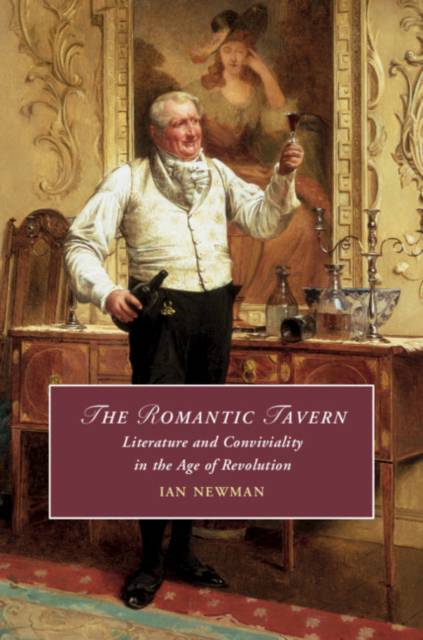
The tavern is widely acknowledged as central to the cultural and political life of Britain, yet widely misunderstood. Ian Newman provides the first sustained account of one of the primary institutions of the late eighteenth-century public sphere. The tavern was a venue not only for serious political and literary debate, but also for physical pleasure - the ludic, libidinal and gastronomic enjoyments with which late Georgian public life was inextricably entwined. This study focuses on the architecture of taverns and the people who frequented them, as well as the artistic forms - drinking songs, ballads, Anacreontic poetry, and toasting - with which the tavern was associated. By examining the culture of conviviality that emerged alongside other new forms of sociability in the second half of the eighteenth century, The Romantic Tavern argues for the importance of conviviality as a complex new form of sociability shaped by masculine political gathering and mixed company entertainments.
Specificaties
Betrokkenen
- Auteur(s):
- Uitgeverij:
Inhoud
- Aantal bladzijden:
- 298
- Taal:
- Engels
- Reeks:
- Reeksnummer:
- nr. 125
Eigenschappen
- Productcode (EAN):
- 9781108470377
- Verschijningsdatum:
- 28/03/2019
- Uitvoering:
- Hardcover
- Formaat:
- Genaaid
- Afmetingen:
- 216 mm x 229 mm
- Gewicht:
- 635 g


Alleen bij Standaard Boekhandel
+ 383 punten op je klantenkaart van Standaard Boekhandel
Cadeau

AANGERADEN


Beoordelingen
We publiceren alleen reviews die voldoen aan de voorwaarden voor reviews. Bekijk onze voorwaarden voor reviews.