


- Afhalen na 1 uur in een winkel met voorraad
- Gratis thuislevering in België vanaf € 30
- Ruim aanbod met 7 miljoen producten
- Afhalen na 1 uur in een winkel met voorraad
- Gratis thuislevering in België vanaf € 30
- Ruim aanbod met 7 miljoen producten





€ 343,45
+ 686 punten
Uitvoering
Omschrijving
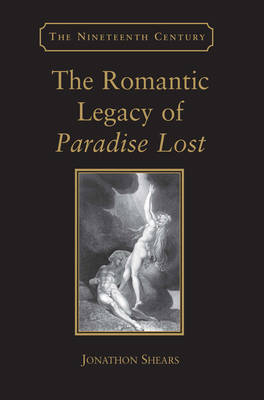
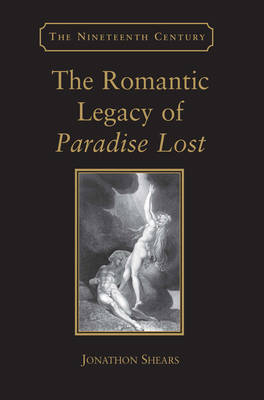
The Romantic Legacy of Paradise Lost offers a new critical insight into the relationship between Milton and the Romantic poets. Shears devotes a chapter to each of the six major Romantics, contextualizing their 'misreadings' of Milton's Paradise Lost within a range of historical, aesthetic, and theoretical contexts. Shears argues that the Romantic inclination towards fragmentation and a polysemous aesthetic leads to disrupted readings of Paradise Lost that obscure the theme, or warp the 'grain', of the poem.
Specificaties
Betrokkenen
- Auteur(s):
- Uitgeverij:
Inhoud
- Aantal bladzijden:
- 232
- Taal:
- Engels
- Reeks:
Eigenschappen
- Productcode (EAN):
- 9780754662532
- Verschijningsdatum:
- 28/04/2009
- Uitvoering:
- Hardcover
- Formaat:
- Genaaid
- Afmetingen:
- 156 mm x 234 mm
- Gewicht:
- 503 g


Alleen bij Standaard Boekhandel
+ 686 punten op je klantenkaart van Standaard Boekhandel
Cadeau

AANGERADEN


Beoordelingen
We publiceren alleen reviews die voldoen aan de voorwaarden voor reviews. Bekijk onze voorwaarden voor reviews.