


- Afhalen na 1 uur in een winkel met voorraad
- Gratis thuislevering in België vanaf € 30
- Ruim aanbod met 7 miljoen producten
- Afhalen na 1 uur in een winkel met voorraad
- Gratis thuislevering in België vanaf € 30
- Ruim aanbod met 7 miljoen producten





€ 8,95
+ 17 punten
Omschrijving
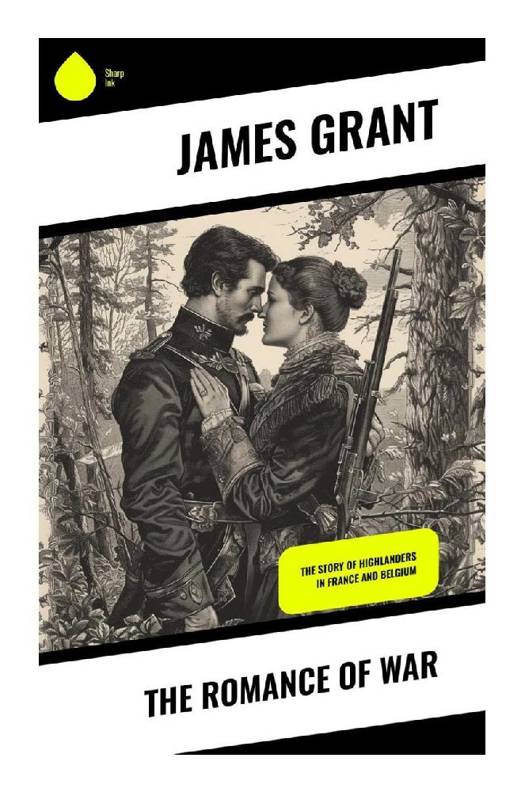
In "The Romance of War," James Grant crafts a poignant exploration of the intersection between romantic ideals and the brutal realities of military conflict. Set against the backdrop of the Victorian era, the narrative weaves together vivid imagery and emotionally charged prose, capturing the paradoxical allure of heroism in warfare. Grant's use of rich descriptions and immersive dialogue reveals not just the physical struggles of his characters but also their internal conflicts, offering readers a multifaceted understanding of human experience in the face of war's horrors. The work stands out within the context of 19th-century literature, where the glorification of war often clashed with the emerging critiques of its futility and devastation. James Grant, a Scottish novelist and military historian, drew from his own experiences and interests in the subject of warfare and romanticism. His deep-seated understanding of military life and its complexities, coupled with a keen insight into the societal attitudes of his time, imbues "The Romance of War" with authenticity and emotional depth. Grant's writings often reflect his fascination with both the gallantry associated with soldiers and the poignant truths of their sacrifices. This book is a must-read for those interested in the themes of heroism, sacrifice, and the often-romanticized notions of war. Grant's masterful storytelling invites readers to reflect deeply on the human condition amidst chaos, making it a poignant literary experience for historians, romantics, and war enthusiasts alike.
Specificaties
Betrokkenen
- Auteur(s):
- Uitgeverij:
Inhoud
- Aantal bladzijden:
- 120
- Taal:
- Engels
Eigenschappen
- Productcode (EAN):
- 9788028340582
- Uitvoering:
- Paperback
- Afmetingen:
- 152 mm x 7 mm
- Gewicht:
- 187 g



Alleen bij Standaard Boekhandel
+ 17 punten op je klantenkaart van Standaard Boekhandel
CADEAU


Beoordelingen
We publiceren alleen reviews die voldoen aan de voorwaarden voor reviews. Bekijk onze voorwaarden voor reviews.