


- Afhalen na 1 uur in een winkel met voorraad
- Gratis thuislevering in België vanaf € 30
- Ruim aanbod met 7 miljoen producten
- Afhalen na 1 uur in een winkel met voorraad
- Gratis thuislevering in België vanaf € 30
- Ruim aanbod met 7 miljoen producten





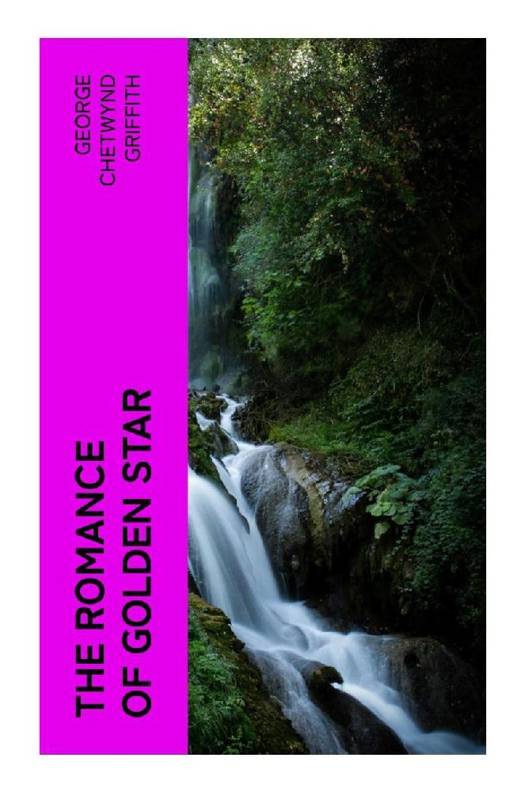
The Romance of Golden Star
A Victorian Lost-Race Adventure of Ancient Peru, Occult Resurrection, and Imperial Science Fantasy
George Chetwynd Griffith
Paperback | Engels
€ 10,45
+ 20 punten
Omschrijving
The Romance of Golden Star is a late-Victorian scientific romance in which archaeology, imperial adventure, and the occult converge around the mysterious legacy of the ancient Americas. Griffith blends the lost-race tradition with melodramatic romance, brisk action, and speculative pseudo-science, placing the novel in the same fin-de-siècle imaginative territory as Haggard, Verne, and early Wells. Its fascination lies not only in its plot of discovery and revival, but also in its period assumptions about empire, antiquity, and hidden knowledge. George Chetwynd Griffith was a journalist, traveller, and one of Britain's most popular writers of speculative fiction in the 1890s. Best known for The Angel of the Revolution and other future-war narratives, he wrote for a readership eager for technological marvels, exotic settings, and sensational serial fiction. His professional immersion in newspapers and magazines helped shape the speed, visual clarity, and topical boldness of this romance. Readers interested in the origins of science fiction, imperial adventure, or Victorian fantasies of lost civilizations will find this book especially rewarding. It is best approached as a vivid artifact of its age: imaginative, energetic, ideologically revealing, and historically important.
Specificaties
Betrokkenen
- Auteur(s):
- Uitgeverij:
Inhoud
- Taal:
- Engels
Eigenschappen
- Productcode (EAN):
- 9788027378951
- Uitvoering:
- Paperback
- Afmetingen:
- 152 mm x 229 mm
- Gewicht:
- 176 g



Alleen bij Standaard Boekhandel
+ 20 punten op je klantenkaart van Standaard Boekhandel
Cadeau

AANGERADEN


Beoordelingen
We publiceren alleen reviews die voldoen aan de voorwaarden voor reviews. Bekijk onze voorwaarden voor reviews.