


- Afhalen na 1 uur in een winkel met voorraad
- Gratis thuislevering in België vanaf € 30
- Ruim aanbod met 7 miljoen producten
- Afhalen na 1 uur in een winkel met voorraad
- Gratis thuislevering in België vanaf € 30
- Ruim aanbod met 7 miljoen producten





€ 40,95
+ 81 punten
Omschrijving
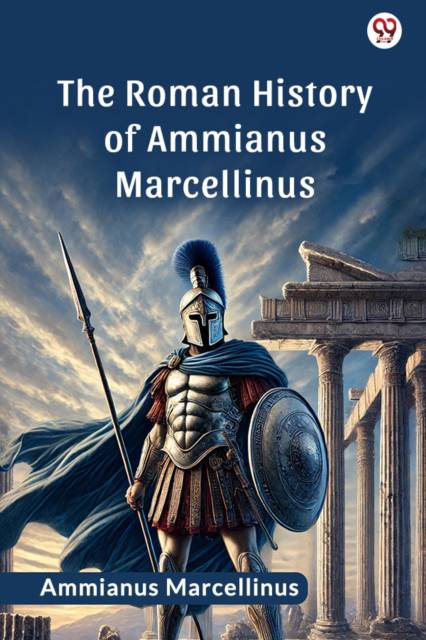
The Roman History of Ammianus Marcellinus presents a detailed account of the Roman Empire from A.D. 96 to A.D. 378, focusing on its political and military challenges during times of crisis. Written by a soldier-historian, the work delves into the complexities of governance, revealing both the virtues and flaws of rulers and their subjects. The narrative explores the volatile nature of political power, emphasizing the dangers of unchecked ambition. It depicts the tumultuous reign of a ruler who, influenced by his ruthless wife, causes widespread cruelty, affecting both innocent lives and those accused without justice. The account highlights military struggles, such as the invasions by Isaurians and Saracens, while also foreshadowing future civil unrest and power struggles within the empire. The historical work underscores the instability of the Roman Empire during this era, offering insights into the dangers of despotism, the fragility of political order, and the social upheaval caused by tyrannical rule. The tone of the narrative reflects the uncertainty of the empire s future, as it grapples with internal and external threats.
Specificaties
Betrokkenen
- Auteur(s):
- Uitgeverij:
Inhoud
- Aantal bladzijden:
- 622
- Taal:
- Engels
Eigenschappen
- Productcode (EAN):
- 9789370813281
- Verschijningsdatum:
- 1/03/2025
- Uitvoering:
- Paperback
- Formaat:
- Trade paperback (VS)
- Afmetingen:
- 140 mm x 216 mm
- Gewicht:
- 707 g


Alleen bij Standaard Boekhandel
+ 81 punten op je klantenkaart van Standaard Boekhandel
Cadeau

AANGERADEN


Beoordelingen
We publiceren alleen reviews die voldoen aan de voorwaarden voor reviews. Bekijk onze voorwaarden voor reviews.