



- Afhalen na 1 uur in een winkel met voorraad
- In januari gratis thuislevering in België
- Ruim aanbod met 7 miljoen producten
- Afhalen na 1 uur in een winkel met voorraad
- In januari gratis thuislevering in België
- Ruim aanbod met 7 miljoen producten





€ 57,95
+ 115 punten
Omschrijving
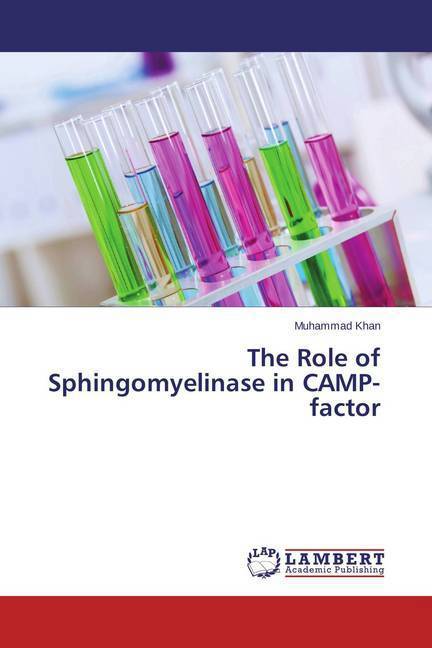
CAMP factor is a 25kDa extracellular protein originating from Streptococcus agalactiae (Group B streptococci) that constitutes of 226 amino acid residues. The main characteristic of CAMP factor is that it is a pore-forming toxin (PFT). The typical mechanism of pore formation of PFTs comprises of three main stages, namely binding of toxin monomers to the membrane surface, oligomerization of the monomers on the cell membrane, and lastly the insertion of oligomers into the membrane. This book focuses on second stage, and investigates the oligomerisation of CAMP factor on sheep red blood cell membranes. The hemolytic activity of CAMP factor is known to be considerably enhanced by the interaction with sphingomyelinase from Staphylococcus aureus. In this study, focus has been laid on understanding the role of sphingomyelinase in the oligomerisation step. Förster resonance energy transfer (FRET) studies have been used to obtain experimental data. The target audience include students and academicians in the field of Chemistry.
Specificaties
Betrokkenen
- Auteur(s):
- Uitgeverij:
Inhoud
- Aantal bladzijden:
- 92
- Taal:
- Engels
Eigenschappen
- Productcode (EAN):
- 9783659664601
- Verschijningsdatum:
- 29/12/2014
- Uitvoering:
- Paperback
- Afmetingen:
- 150 mm x 220 mm
- Gewicht:
- 145 g


Alleen bij Standaard Boekhandel
+ 115 punten op je klantenkaart van Standaard Boekhandel
Cadeau

AANGERADEN


Beoordelingen
We publiceren alleen reviews die voldoen aan de voorwaarden voor reviews. Bekijk onze voorwaarden voor reviews.