


- Afhalen na 1 uur in een winkel met voorraad
- Gratis thuislevering in België vanaf € 30
- Ruim aanbod met 7 miljoen producten
- Afhalen na 1 uur in een winkel met voorraad
- Gratis thuislevering in België vanaf € 30
- Ruim aanbod met 7 miljoen producten





€ 54,45
+ 108 punten
Eenvoudig bestellen
Veilig betalen


Gratis thuislevering vanaf € 30 (via bpost)
Gratis levering in je Standaard Boekhandel
Omschrijving
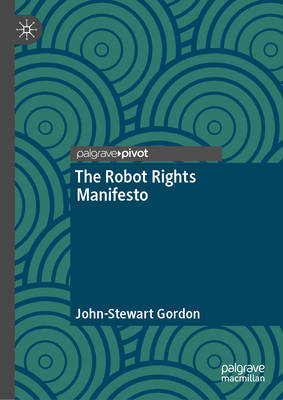
This book confronts one of the most pressing moral challenges of our technological age: should autonomous, intelligent, human-like machines be recognized as bearers of moral and socio-political rights? Anticipating a future in which artificial humanoids may develop traits such as autonomy, self-awareness, intelligence, and sentience, John-Stewart Gordon offers a rigorous and balanced case for proactive engagement with robot rights. Drawing on moral philosophy, AI ethics, and political theory, the book advances a groundbreaking hybrid theory that integrates properties-based and social-relational approaches to moral status. It proposes a novel framework of artificial citizenship and introduces a detailed "Robot Bill of Rights," offering concrete policy recommendations for ethical coexistence. Rich in interdisciplinary insight and real-world relevance, this book challenges readers to rethink the boundaries of moral community and prepare for a shared human-machine future with foresight and fairness.
Specificaties
Betrokkenen
- Auteur(s):
- Uitgeverij:
Inhoud
- Aantal bladzijden:
- 88
- Taal:
- Engels
Eigenschappen
- Productcode (EAN):
- 9783032140333
- Verschijningsdatum:
- 3/01/2026
- Uitvoering:
- Hardcover
- Formaat:
- Genaaid
- Afmetingen:
- 159 mm x 213 mm
- Gewicht:
- 249 g


Alleen bij Standaard Boekhandel
+ 108 punten op je klantenkaart van Standaard Boekhandel
CADEAU

AANGERADEN


Beoordelingen
We publiceren alleen reviews die voldoen aan de voorwaarden voor reviews. Bekijk onze voorwaarden voor reviews.