


- Afhalen na 1 uur in een winkel met voorraad
- Gratis thuislevering in België vanaf € 30
- Ruim aanbod met 7 miljoen producten
- Afhalen na 1 uur in een winkel met voorraad
- Gratis thuislevering in België vanaf € 30
- Ruim aanbod met 7 miljoen producten





€ 195,45
+ 390 punten
Omschrijving
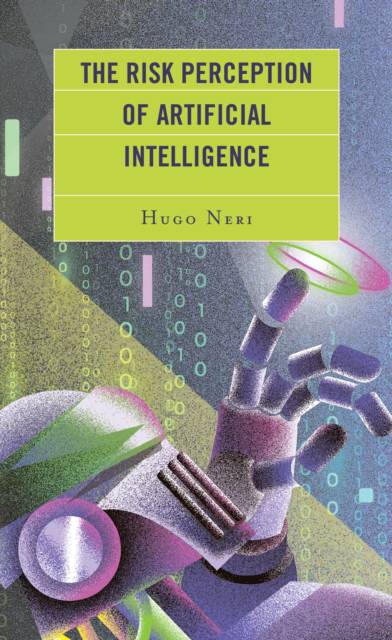
In The Risk Perception of Artificial Intelligence, Hugo Neri examines how society has come to understand artificial intelligence by studying how cultural productions, intellectuals, and the media have shaped society's views, understandings, and fears of artificial intelligence. As an abstract term, artificial intelligence has been understood both as a discipline and a "robot's mind." In the twenty and twenty-first centuries, cultural representations in comics, television shows, and movies converged with public lectures about the risks of A.I. by prominent public figures such as Stephen Hawking and Elon Musk. Neri analyzes how this cultural and intellectual miscellany shapes the way we perceive artificial intelligence and whether this perception is universal or restricted to the Western world.
Specificaties
Betrokkenen
- Auteur(s):
- Uitgeverij:
Inhoud
- Aantal bladzijden:
- 178
- Taal:
- Engels
Eigenschappen
- Productcode (EAN):
- 9781793602053
- Verschijningsdatum:
- 16/12/2020
- Uitvoering:
- Hardcover
- Formaat:
- Genaaid
- Afmetingen:
- 152 mm x 229 mm
- Gewicht:
- 408 g


Alleen bij Standaard Boekhandel
+ 390 punten op je klantenkaart van Standaard Boekhandel
Cadeau

AANGERADEN


Beoordelingen
We publiceren alleen reviews die voldoen aan de voorwaarden voor reviews. Bekijk onze voorwaarden voor reviews.