


- Afhalen na 1 uur in een winkel met voorraad
- Gratis thuislevering in België vanaf € 30
- Ruim aanbod met 7 miljoen producten
- Afhalen na 1 uur in een winkel met voorraad
- Gratis thuislevering in België vanaf € 30
- Ruim aanbod met 7 miljoen producten





€ 100,95
+ 201 punten
Uitvoering
Omschrijving
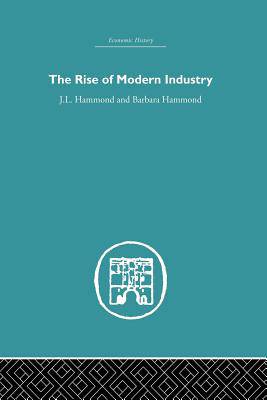
First Published in 2005. This book is written for the general reader and not for the specialist. It is an attempt to put the Industrial Revolution in its place in history, and to give an idea both of its significance and of the causes that determined the age and the society in which it began. The book is divided into three parts: in part one authors discuss the development of commerce before the Industrial Revolution; part two describes the changes in transport which preceded the railways, the dissolution of the peasant village, the destruction of custom in industry, and the free play that capital found in consequence. Part three examines the first social effects of the change from a peasant to an industrial civilization.
Specificaties
Betrokkenen
- Auteur(s):
- Uitgeverij:
Inhoud
- Aantal bladzijden:
- 344
- Taal:
- Engels
- Reeks:
Eigenschappen
- Productcode (EAN):
- 9780415850407
- Verschijningsdatum:
- 11/03/2013
- Uitvoering:
- Paperback
- Formaat:
- Trade paperback (VS)
- Afmetingen:
- 156 mm x 234 mm
- Gewicht:
- 485 g


Alleen bij Standaard Boekhandel
+ 201 punten op je klantenkaart van Standaard Boekhandel
AANGERADEN


Beoordelingen
We publiceren alleen reviews die voldoen aan de voorwaarden voor reviews. Bekijk onze voorwaarden voor reviews.