


- Afhalen na 1 uur in een winkel met voorraad
- Gratis thuislevering in België vanaf € 30
- Ruim aanbod met 7 miljoen producten
- Afhalen na 1 uur in een winkel met voorraad
- Gratis thuislevering in België vanaf € 30
- Ruim aanbod met 7 miljoen producten





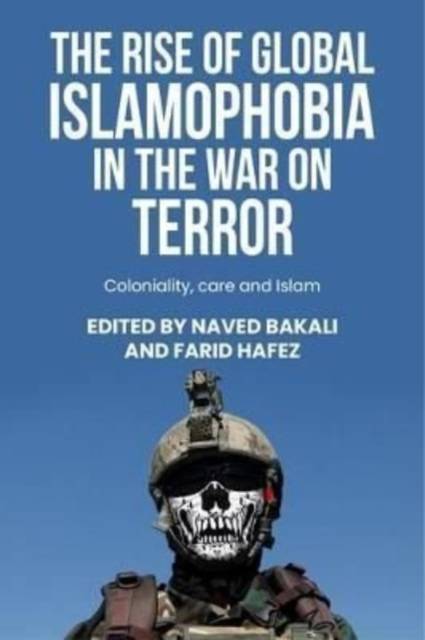
The Rise of Global Islamophobia in the War on Terror
Coloniality, Race, and Islam
€ 225,95
+ 451 punten
Omschrijving
The 'War on Terror' ushered in a new era of anti-Muslim bias and racism. Anti-Muslim racism, or Islamophobia, is influenced by local economies, power structures and histories. However, the War on Terror, a conflict undefined by time and place, with a homogenised Muslim 'Other' framed as a perpetual enemy, has contributed towards a global Islamophobic narrative. This edited international volume examines the connections between interpersonal and institutional anti-Muslim racism that have contributed to the growth and emboldening of nativist and populist protest movements globally. It maps out categories of Islamophobia, revealing how localised histories, conflicts and contemporary geopolitical realities have textured the ways that Islamophobia has manifested across the global North and South. At the same time, it seeks to highlight activism and resistance confronting Islamophobia.
Specificaties
Betrokkenen
- Uitgeverij:
Inhoud
- Aantal bladzijden:
- 264
- Taal:
- Engels
- Reeks:
Eigenschappen
- Productcode (EAN):
- 9781526161758
- Verschijningsdatum:
- 6/09/2022
- Uitvoering:
- Hardcover
- Formaat:
- Genaaid
- Afmetingen:
- 156 mm x 234 mm
- Gewicht:
- 544 g

Alleen bij Standaard Boekhandel
+ 451 punten op je klantenkaart van Standaard Boekhandel
Cadeau

AANGERADEN


Beoordelingen
We publiceren alleen reviews die voldoen aan de voorwaarden voor reviews. Bekijk onze voorwaarden voor reviews.