Standaard Boekhandel gebruikt cookies en gelijkaardige technologieën om de website goed te laten werken en je een betere surfervaring te bezorgen.
Hieronder kan je kiezen welke cookies je wilt inschakelen:
Technische en functionele cookies
Deze cookies zijn essentieel om de website goed te laten functioneren, en laten je toe om bijvoorbeeld in te loggen. Je kan deze cookies niet uitschakelen.
Analytische cookies
Deze cookies verzamelen anonieme informatie over het gebruik van onze website. Op die manier kunnen we de website beter afstemmen op de behoeften van de gebruikers.
Marketingcookies
Deze cookies delen je gedrag op onze website met externe partijen, zodat je op externe platformen relevantere advertenties van Standaard Boekhandel te zien krijgt.
Bedankt voor het vertrouwen het afgelopen jaar! Om jou te bedanken bieden we GRATIS verzending (in België) aan op alles gedurende de hele maand januari.
Afhalen na 1 uur in een winkel met voorraad
In januari gratis thuislevering in België
Ruim aanbod met 7 miljoen producten
Bedankt voor het vertrouwen het afgelopen jaar! Om jou te bedanken bieden we GRATIS verzending (in België) aan op alles gedurende de hele maand januari.
Je kan maximaal 250 producten tegelijk aan je winkelmandje toevoegen. Verwijdere enkele producten uit je winkelmandje, of splits je bestelling op in meerdere bestellingen.
In januari gratis thuislevering in België (via bpost)
Gratis levering in je Standaard Boekhandel
Omschrijving
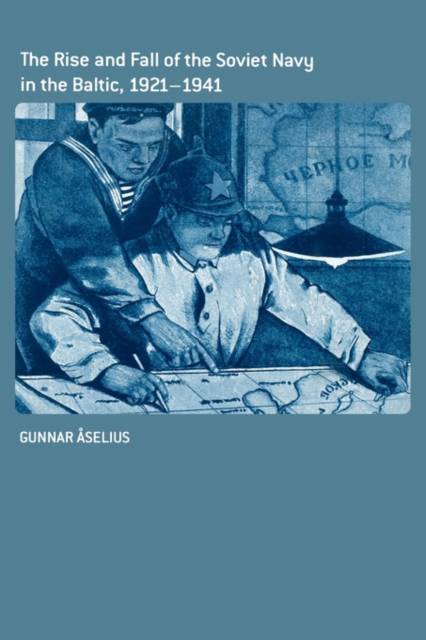
This book, based on extensive work in Russian archives, investigates how strategy, organisational rivalry and cultural factors came to shape naval developments in the Soviet Union, up to the invasion of 1941. Focussing on the Baltic Fleet, the author shows how the perceived balance of power in northern Europe came to have a major influence on Soviet naval policy during the 1920s and 1930s. The operational environment of a narrow inland-sea like the Baltic would have required a joint approach to military planning, but the Soviet navy's weak position among the armed services made such an approach hard to attain. The Soviet regime also struggled against the cultural heritage of the tsarist navy and the book describes how this was overcome. In a special Appendix dedicated to the purges of 1937-38, surviving party records from the Baltic Fleet Intelligence Section are used to illustrate the mechanisms of the Great Terror at local level.