


- Afhalen na 1 uur in een winkel met voorraad
- Gratis thuislevering in België vanaf € 30
- Ruim aanbod met 7 miljoen producten
- Afhalen na 1 uur in een winkel met voorraad
- Gratis thuislevering in België vanaf € 30
- Ruim aanbod met 7 miljoen producten





Omschrijving
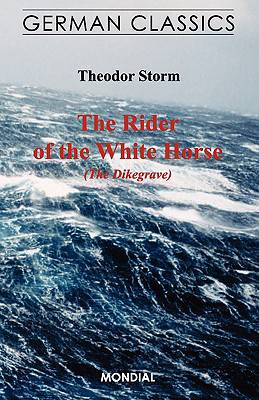
The Rider of the White Horse (1888) is a classic German novella, in which the individual wrestles with the mass, the man with the most elementary forces of nature. It is Theodor Storm's (1817-1888) last complete work. --- The scene of the novella is characterized with vividness and grandeur in its setting of marsh and sea. Like the stories of Storm's youth, it glorifies love, the love of two beings who are faithful to each other unto death, and at the same time it touches themes which deeply occupied Storm, such as the problem of heredity or the relation between father and son. The charm of youth, to which Storm was always most susceptible, invests the chief characters, and they have that chaste reserve that holds all internal life sacred. Happiness is won, but it ends in tragedy. It is a man of sober intellect who tells the whole story - and yet, like human life itself, it stands out against a mystic background. Remembrance of long ago has clarified everything; loving comprehension fills everything with deepest sympathy. --- It was granted to Storm to stand on a pinnacle of art at the end of his life, a pinnacle which he had to leave, but from which he did not need to descend. (Ewald Eiserhardt)
Specificaties
Betrokkenen
- Auteur(s):
- Vertaler(s):
- Uitgeverij:
Inhoud
- Aantal bladzijden:
- 116
- Taal:
- Engels
- Reeks:
Eigenschappen
- Productcode (EAN):
- 9781595690746
- Verschijningsdatum:
- 6/11/2007
- Uitvoering:
- Paperback
- Formaat:
- Trade paperback (VS)
- Afmetingen:
- 140 mm x 216 mm
- Gewicht:
- 154 g


Alleen bij Standaard Boekhandel
+ 27 punten op je klantenkaart van Standaard Boekhandel

Beoordelingen
We publiceren alleen reviews die voldoen aan de voorwaarden voor reviews. Bekijk onze voorwaarden voor reviews.