


- Afhalen na 1 uur in een winkel met voorraad
- Gratis thuislevering in België vanaf € 30
- Ruim aanbod met 7 miljoen producten
- Afhalen na 1 uur in een winkel met voorraad
- Gratis thuislevering in België vanaf € 30
- Ruim aanbod met 7 miljoen producten





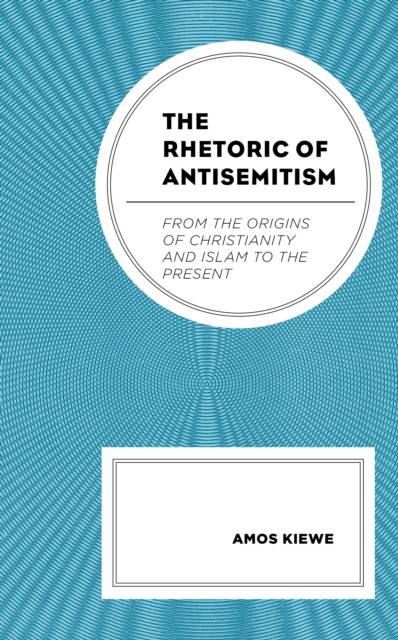
The Rhetoric of Antisemitism
From the Origins of Christianity and Islam to the Present
Amos Kiewe
Hardcover | Engels
€ 195,45
+ 390 punten
Omschrijving
The Rhetoric of Antisemitism focuses on the initial struggle Christianity experienced with Judaism, intensifying a hatred thereof, and settling on a religious dogma of eternal guilt meant to perpetuate antisemitism for eternity. Kiewe tackles the similar approach Islam has taken in its tension with Judaism and how it was turned centuries later into the Arab-Israeli conflict, significantly with the help of Nazi-antisemitism and propaganda. This book discusses the significant rise of antisemitism in the 19th and 20th centuries, including the forgery pamphlet The Protocols of the Elders of Zion that promoted the charge of Jewish world domination, and the more recent Durban Conference (2001) as a major turning point in conflating antisemitism and anti-Zionism, including the linguistic games used to merge antisemitism with anti-Israelism. Scholars of religious studies, history, and rhetorical studies will find this book particularly useful.
Specificaties
Betrokkenen
- Auteur(s):
- Uitgeverij:
Inhoud
- Aantal bladzijden:
- 212
- Taal:
- Engels
Eigenschappen
- Productcode (EAN):
- 9781793630902
- Verschijningsdatum:
- 28/10/2020
- Uitvoering:
- Hardcover
- Formaat:
- Genaaid
- Afmetingen:
- 152 mm x 229 mm
- Gewicht:
- 480 g


Alleen bij Standaard Boekhandel
+ 390 punten op je klantenkaart van Standaard Boekhandel
Cadeau

AANGERADEN


Beoordelingen
We publiceren alleen reviews die voldoen aan de voorwaarden voor reviews. Bekijk onze voorwaarden voor reviews.