


- Afhalen na 1 uur in een winkel met voorraad
- Gratis thuislevering in België vanaf € 30
- Ruim aanbod met 7 miljoen producten
- Afhalen na 1 uur in een winkel met voorraad
- Gratis thuislevering in België vanaf € 30
- Ruim aanbod met 7 miljoen producten





€ 1,99
+ 1 punten
Omschrijving
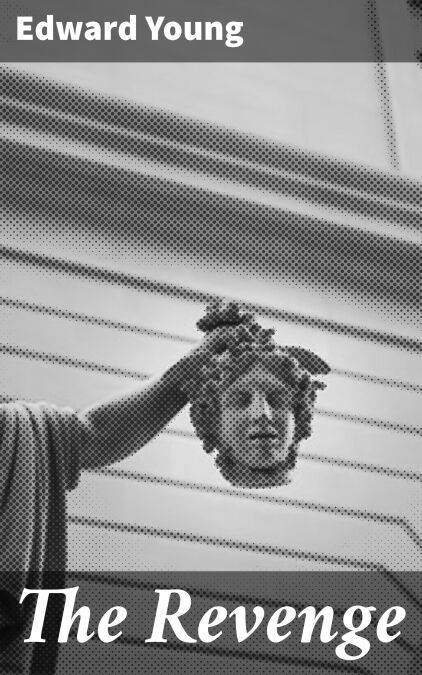
Edward Young's "The Revenge" is a compelling poetic exploration of themes such as fate, justice, and the tumultuous nature of human emotions. Written in the 18th century during the rise of the Gothic tradition in literature, the poem masterfully blends rich imagery and profound philosophical ruminations, utilizing an array of literary devices that enhance its dramatic tone. Young employs a range of stylistic techniques, including vivid metaphors and intricate rhyme schemes, which serve to immerse the reader in the emotional landscape of revenge and its inevitable consequences. Edward Young, an influential poet and playwright of the early Enlightenment, was well-acquainted with the tumult of human passions, a theme that permeates his work. His own experiences with loss, coupled with his deep philosophical inquiries into the nature of existence, propel his writing in "The Revenge," offering insights that resonate with contemporary readers. Young's engagement with the moral implications of revenge reflects a broader cultural discourse from the Enlightenment, linking his personal reflections to the societal transformations of his time. I highly recommend "The Revenge" to readers who appreciate intricate poetry and the exploration of moral complexities. Young's eloquent language and deep philosophical insights invite readers to reflect on the nature of justice and the human condition, making this work an essential read for anyone interested in the intersections of literature, philosophy, and emotional depth.
Specificaties
Betrokkenen
- Auteur(s):
- Uitgeverij:
Inhoud
- Aantal bladzijden:
- 135
- Taal:
- Engels
Eigenschappen
- Productcode (EAN):
- 4064066175115
- Verschijningsdatum:
- 16/12/2019
- Uitvoering:
- E-book
- Beveiligd met:
- Digital watermarking
- Formaat:
- ePub


Alleen bij Standaard Boekhandel
+ 1 punten op je klantenkaart van Standaard Boekhandel
Cadeau

AANGERADEN


Beoordelingen
We publiceren alleen reviews die voldoen aan de voorwaarden voor reviews. Bekijk onze voorwaarden voor reviews.