


- Afhalen na 1 uur in een winkel met voorraad
- Gratis thuislevering in België vanaf € 30
- Ruim aanbod met 7 miljoen producten
- Afhalen na 1 uur in een winkel met voorraad
- Gratis thuislevering in België vanaf € 30
- Ruim aanbod met 7 miljoen producten





€ 26,95
+ 53 punten
Omschrijving
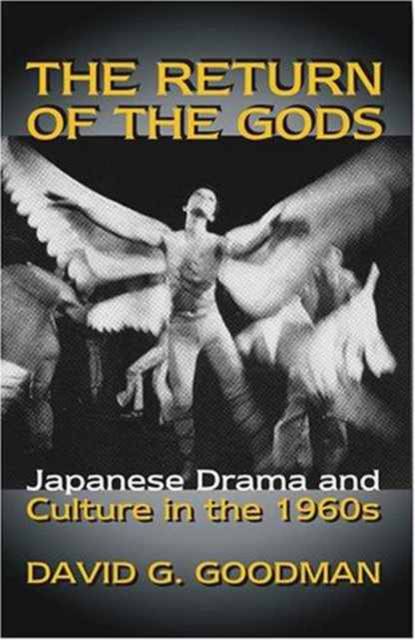
First published in 1988 and now available in a photo-reprint paperback edition, this book provides an important perspective on the theatre, culture, and politics of Japan in the 1960s. It contains translations of five plays representative of the period, with analytical commentary by a leading authority on postwar Japanese drama. The author's central thesis is that the 1960 demonstrations against the renewal of the U.S.-Japan Mutual Security Treaty was a major turning point in Japanese intellectual life, one characterized by disillusionment with the old left and the legacy of prewar left-wing formulations and by a quest for an alternative to the dominant Hegelian-Marxist system. The book argues that the 1960s were a period of eschatological reflection in which profound questions about ultimate ends were being asked.
Specificaties
Betrokkenen
- Auteur(s):
- Uitgeverij:
Inhoud
- Aantal bladzijden:
- 380
- Taal:
- Engels
- Reeks:
- Reeksnummer:
- nr. 116
Eigenschappen
- Productcode (EAN):
- 9781885445162
- Verschijningsdatum:
- 31/03/2010
- Uitvoering:
- Paperback
- Formaat:
- Trade paperback (VS)
- Afmetingen:
- 140 mm x 213 mm
- Gewicht:
- 544 g


Alleen bij Standaard Boekhandel
+ 53 punten op je klantenkaart van Standaard Boekhandel
Cadeau

AANGERADEN


Beoordelingen
We publiceren alleen reviews die voldoen aan de voorwaarden voor reviews. Bekijk onze voorwaarden voor reviews.