


- Afhalen na 1 uur in een winkel met voorraad
- Gratis thuislevering in België vanaf € 30
- Ruim aanbod met 7 miljoen producten
- Afhalen na 1 uur in een winkel met voorraad
- Gratis thuislevering in België vanaf € 30
- Ruim aanbod met 7 miljoen producten





€ 40,45
+ 80 punten
Uitvoering
Omschrijving
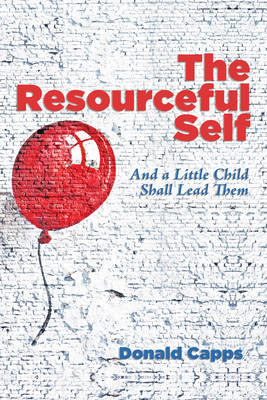
Erik Erikson, best known for his life-cycle theory and concept of the identity crisis, proposed that we are comprised of a number of selves. In several earlier books, including At Home in the World, Donald Capps has suggested that the emotional separation of young children--especially boys--from their mothers results in the development of a melancholy self. In this book, Capps employs Erikson's assignment of an inherent strength to each stage of the life cycle and proposes that the life-enhancing strengths of the childhood years (hope, will, purpose, and competence) are central to the development of a resourceful self, and that this self counters the life-diminishing qualities of the melancholy self. Focusing on Erikson's own writings, Capps identifies the four primordial resources that Erikson associates with childhood--humor, play, dreams, and hope--and shows how these resources assist children in confronting life's difficulties and challenges. Capps further suggests that the resourceful self that develops in childhood is central to Jesus' own vision of what we as adults may become if we follow the lead of little children.
Specificaties
Betrokkenen
- Auteur(s):
- Uitgeverij:
Inhoud
- Aantal bladzijden:
- 218
- Taal:
- Engels
Eigenschappen
- Productcode (EAN):
- 9781625647412
- Verschijningsdatum:
- 13/10/2014
- Uitvoering:
- Paperback
- Formaat:
- Trade paperback (VS)
- Afmetingen:
- 150 mm x 226 mm
- Gewicht:
- 317 g


Alleen bij Standaard Boekhandel
+ 80 punten op je klantenkaart van Standaard Boekhandel
Cadeau

AANGERADEN


Beoordelingen
We publiceren alleen reviews die voldoen aan de voorwaarden voor reviews. Bekijk onze voorwaarden voor reviews.