


- Afhalen na 1 uur in een winkel met voorraad
- Gratis thuislevering in België vanaf € 30
- Ruim aanbod met 7 miljoen producten
- Afhalen na 1 uur in een winkel met voorraad
- Gratis thuislevering in België vanaf € 30
- Ruim aanbod met 7 miljoen producten





€ 40,45
+ 80 punten
Omschrijving
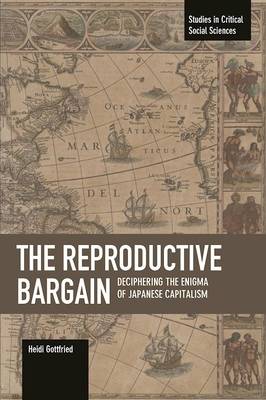
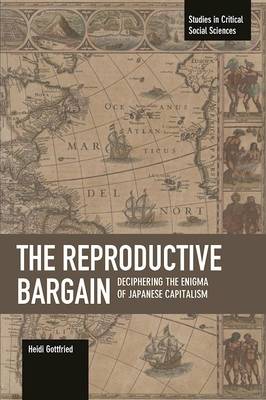
The Reproductive Bargain argues that neither Japan's postwar economic growth, nor its subsequent long stretch of stagnation can be understood without reference to it 'reproductive bargain.' Under the terms of this bargain a standard employment relationship was established where in male breadwinners were granted generous benefits at relatively secure jobs in exchange for long working hours. Yet this arrangement relies on the unpaid reproductive labor of women within the family, and, increasingly, pushes women's waged work into nonstandard jobs. Such institutionalized relationships, formerly the engines of growth and stability, now drag economic expansion and employment security. Gottfried's groundbreaking research shows us that gendering institutional analysis is a key to deciphering the enigma of Japanese capitalism.
Specificaties
Betrokkenen
- Auteur(s):
- Uitgeverij:
Inhoud
- Aantal bladzijden:
- 167
- Taal:
- Engels
- Reeks:
Eigenschappen
- Productcode (EAN):
- 9781608466443
- Verschijningsdatum:
- 26/07/2016
- Uitvoering:
- Paperback
- Formaat:
- Trade paperback (VS)
- Afmetingen:
- 150 mm x 226 mm
- Gewicht:
- 272 g


Alleen bij Standaard Boekhandel
+ 80 punten op je klantenkaart van Standaard Boekhandel
Cadeau

AANGERADEN


Beoordelingen
We publiceren alleen reviews die voldoen aan de voorwaarden voor reviews. Bekijk onze voorwaarden voor reviews.