



- Afhalen na 1 uur in een winkel met voorraad
- In januari gratis thuislevering in België
- Ruim aanbod met 7 miljoen producten
- Afhalen na 1 uur in een winkel met voorraad
- In januari gratis thuislevering in België
- Ruim aanbod met 7 miljoen producten





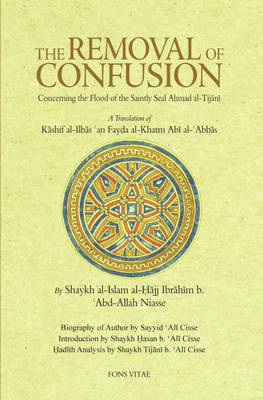
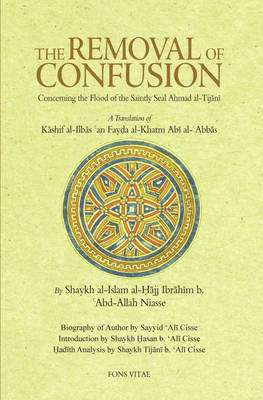
The Removal of Confusion Concerning the Flood of the Saintly Seal Ahmad Al-Tijani
A Translation of Kashif Al-Ilbas an Fayda Al-Khatm Abi' Abbas by Shaykh Al-Islam Al-Hajj Ibrahim - B. 'Abd-Allah Niasse
Sayyid Ali Cisse, Shaykh Tijani Cisse, Shaykh Hasan Cisse, Shaykh Ibrahim Niasse
Paperback | Engels
€ 37,45
+ 74 punten
Omschrijving
Shaykh Ibrahim had unparalleled success in propagating the Tijaniyya, and those owing their initiation into the order to Shaykh Ibrahim currently number around one hundred million and make up more than half of all the Tijanis in the world. The distinguishing practice of Shaykh Ibrahim's movement was tarbiya, or spiritual training. Through tarbiya, aspirants transcended the confines of their ego-selves and "tasted" the directly-experienced knowledge, or gnosis (ma'rifa), of God. The Kashif al-Ilbas, written early on in the Shaykh's career in 1931-1932, is primarily a guide for the teaching and learning of the experiential knowledge (ma'rifa) of God on a widespread scale. Drawing on the concept of the spiritual "flood," gnosis for all who desired it, Shaykh Ibrahim demonstrates in the Kashif that no believing man or woman should deprive him or herself of spiritual illumination. With an overview of the theory and practice of Sufism, this important reference provides insight into West African Islamic history.
Specificaties
Betrokkenen
- Auteur(s):
- Vertaler(s):
- Uitgeverij:
Inhoud
- Aantal bladzijden:
- 265
- Taal:
- Engels
Eigenschappen
- Productcode (EAN):
- 9781891785474
- Verschijningsdatum:
- 1/10/2010
- Uitvoering:
- Paperback
- Formaat:
- Trade paperback (VS)
- Afmetingen:
- 156 mm x 234 mm
- Gewicht:
- 467 g


Alleen bij Standaard Boekhandel
+ 74 punten op je klantenkaart van Standaard Boekhandel
Cadeau

AANGERADEN


Beoordelingen
We publiceren alleen reviews die voldoen aan de voorwaarden voor reviews. Bekijk onze voorwaarden voor reviews.