


- Afhalen na 1 uur in een winkel met voorraad
- Gratis thuislevering in België vanaf € 30
- Ruim aanbod met 7 miljoen producten
- Afhalen na 1 uur in een winkel met voorraad
- Gratis thuislevering in België vanaf € 30
- Ruim aanbod met 7 miljoen producten


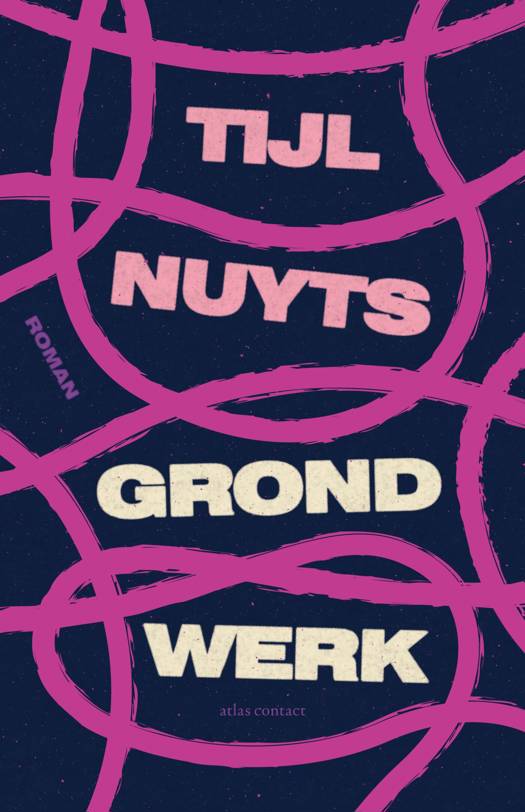


The Relationship Between Literature and Science in John Banville's Scientific Tetralogy
Sidia Fiorato
€ 77,95
+ 155 punten
Omschrijving
Starting from the debate between the two cultures, the book analyzes the relationship between literature and science in the last years of the twentieth century in the light of scientific theories which universally underline both their indeterminacy and their lack of universal values (Relativity Theory, Quantum Mechanics, the Uncertainty Principle, Chaos Theory). Scientific theories are echoed in literary texts but also a reverse influence from literature to science has taken place. In his scientific tetralogy John Banville analyzes the figures of those scientists who contributed to a paradigm shift in the world view from the early modernity to the present. His interest is not exclusively focused on epistemology but rather on the creative mind of the scientist. Science appears to follow the same epiphanic creative process as literature in its understanding of, and theorizing upon, an enigmatic sort of reality.
Specificaties
Betrokkenen
- Auteur(s):
- Uitgeverij:
Inhoud
- Aantal bladzijden:
- 216
- Taal:
- Engels
- Reeks:
- Reeksnummer:
- nr. 31
Eigenschappen
- Productcode (EAN):
- 9783631558621
- Verschijningsdatum:
- 5/01/2007
- Uitvoering:
- Paperback
- Formaat:
- Trade paperback (VS)
- Afmetingen:
- 148 mm x 210 mm
- Gewicht:
- 299 g


Alleen bij Standaard Boekhandel
+ 155 punten op je klantenkaart van Standaard Boekhandel
AANGERADEN


Beoordelingen
We publiceren alleen reviews die voldoen aan de voorwaarden voor reviews. Bekijk onze voorwaarden voor reviews.