


- Afhalen na 1 uur in een winkel met voorraad
- Gratis thuislevering in België vanaf € 30
- Ruim aanbod met 7 miljoen producten
- Afhalen na 1 uur in een winkel met voorraad
- Gratis thuislevering in België vanaf € 30
- Ruim aanbod met 7 miljoen producten





€ 30,95
+ 61 punten
Eenvoudig bestellen
Veilig betalen


Gratis thuislevering vanaf € 30 (via bpost)
Gratis levering in je Standaard Boekhandel
Omschrijving
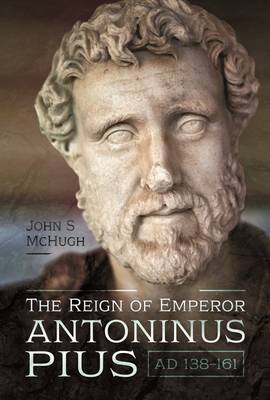
The reign of Antoninus Pius is widely seen as the apogee of the Roman Empire yet, due to gaps in the historical sources, his reign has been overlooked by modern historians. He is considered one of the five good emperors of the Antonine dynasty under whom the pax Romana enabled the empire to prosper, trade to flourish and culture to thrive. His reign is considered a Golden Age but this was partly an image created by imperial propaganda. There were serious conflicts in North Africa and Dacia, as well as a major revolt in Britain. On his death the empire stood on the cusp of the catastrophic invasions and rebellions that marked the reign of his successor Marcus Aurelius.
Antoninus Pius became emperor through the hand of fate, being adopted by Hadrian only after the death of his intended heir, Lucius Aelius Caesar. His rule was a balancing act between securing his own safety, securing the succession of his adopted heir and denying opportunities for conspiracy and rebellion. 'Equanimity' was the last password he issued to his guards as he lay on his death bed. In the face of the threats and challenges he remained calm and composed, providing twenty-three years of stability; a calm before the storms that gathered both within and beyond Rome's borders.
Antoninus Pius became emperor through the hand of fate, being adopted by Hadrian only after the death of his intended heir, Lucius Aelius Caesar. His rule was a balancing act between securing his own safety, securing the succession of his adopted heir and denying opportunities for conspiracy and rebellion. 'Equanimity' was the last password he issued to his guards as he lay on his death bed. In the face of the threats and challenges he remained calm and composed, providing twenty-three years of stability; a calm before the storms that gathered both within and beyond Rome's borders.
Specificaties
Betrokkenen
- Auteur(s):
- Uitgeverij:
Inhoud
- Aantal bladzijden:
- 256
- Taal:
- Engels
Eigenschappen
- Productcode (EAN):
- 9781526773982
- Verschijningsdatum:
- 7/10/2022
- Uitvoering:
- Hardcover
- Formaat:
- Genaaid
- Afmetingen:
- 155 mm x 236 mm
- Gewicht:
- 517 g


Alleen bij Standaard Boekhandel
+ 61 punten op je klantenkaart van Standaard Boekhandel
CADEAU

AANGERADEN


Beoordelingen
We publiceren alleen reviews die voldoen aan de voorwaarden voor reviews. Bekijk onze voorwaarden voor reviews.