


- Afhalen na 1 uur in een winkel met voorraad
- Gratis thuislevering in België vanaf € 30
- Ruim aanbod met 7 miljoen producten
- Afhalen na 1 uur in een winkel met voorraad
- Gratis thuislevering in België vanaf € 30
- Ruim aanbod met 7 miljoen producten





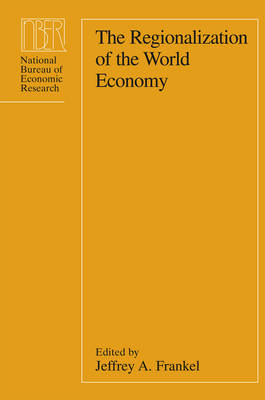
The Regionalization of the World Economy
€ 81,45
+ 162 punten
Omschrijving
Regional economic arrangements such as free trade areas (FTAs), customs unions, and currency blocs, have become increasingly prevalent in the world economy. Both pervasive and controversial, regionalization has some economists optimistic about the opportunities it creates and others fearful that it may corrupt fragile efforts to encourage global free trade.
Including both empirical and theoretical studies, this volume addresses several important questions: Why do countries adopt FTAs and other regional trading arrangements? To what extent have existing regional arrangements actually affected patterns of trade? What are the welfare effects of such arrangements? Several chapters explore the economic effects of regional arrangements on patterns of trade, either on price differentials or via the gravity model on bilateral trade flows. In addition, this book examines the theoretical foundation of the gravity model. Making extensive use of the gravity model of bilateral trade, several chapters explore the economic effects of regional arrangements. In addition, this book examines the theoretical foundation of the gravity model.
Including both empirical and theoretical studies, this volume addresses several important questions: Why do countries adopt FTAs and other regional trading arrangements? To what extent have existing regional arrangements actually affected patterns of trade? What are the welfare effects of such arrangements? Several chapters explore the economic effects of regional arrangements on patterns of trade, either on price differentials or via the gravity model on bilateral trade flows. In addition, this book examines the theoretical foundation of the gravity model. Making extensive use of the gravity model of bilateral trade, several chapters explore the economic effects of regional arrangements. In addition, this book examines the theoretical foundation of the gravity model.
Specificaties
Betrokkenen
- Uitgeverij:
Inhoud
- Aantal bladzijden:
- 296
- Taal:
- Engels
- Reeks:
Eigenschappen
- Productcode (EAN):
- 9780226259956
- Verschijningsdatum:
- 24/11/1997
- Uitvoering:
- Hardcover
- Formaat:
- Genaaid
- Afmetingen:
- 160 mm x 237 mm
- Gewicht:
- 603 g

Alleen bij Standaard Boekhandel
+ 162 punten op je klantenkaart van Standaard Boekhandel
Cadeau

AANGERADEN


Beoordelingen
We publiceren alleen reviews die voldoen aan de voorwaarden voor reviews. Bekijk onze voorwaarden voor reviews.