


- Afhalen na 1 uur in een winkel met voorraad
- Gratis thuislevering in België vanaf € 30
- Ruim aanbod met 7 miljoen producten
- Afhalen na 1 uur in een winkel met voorraad
- Gratis thuislevering in België vanaf € 30
- Ruim aanbod met 7 miljoen producten




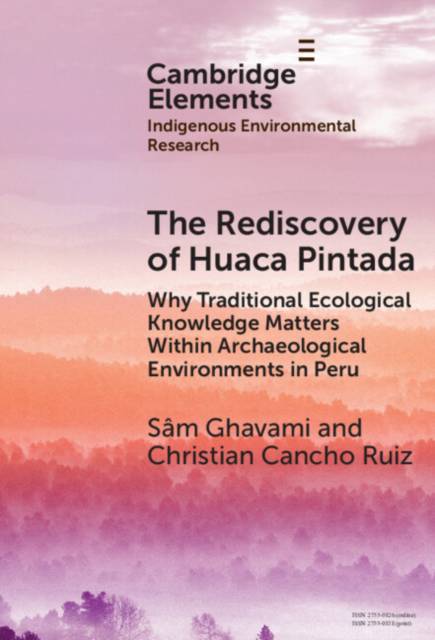
The Rediscovery of Huaca Pintada
Why Traditional Ecological Knowledge Matters Within Archaeological Environments in Peru
Sam Ghavami, Christian Cancho Ruiz
€ 112,95
+ 225 punten
Uitvoering
Omschrijving
This Element presents a case study of the authors' partnership with the Pintada community in their excavation of a pre-Columbian site known as 'Huaca Pintada', a pyramidal mound located in the Lambayeque region on the north coast of Peru. The site, which gained recognition after the fortuitous discovery by looters in 1916 of an exceptional polychrome mural, was somehow 'forgotten' by the scientific community after irreversible damage. However, this was not the case for the local inhabitants, families like the Inoñán or the Chapoñán descendants of ancient muchic traditions, who founded a village named after their illustrious elder. The authors will describe how local actors like shamans or workers were indispensable in finding solutions that led not only to the rediscovery of the treasures of the Huaca Pintada but also to the reconnection of the community with its past.
Specificaties
Betrokkenen
- Auteur(s):
- Uitgeverij:
Inhoud
- Aantal bladzijden:
- 86
- Taal:
- Engels
- Reeks:
Eigenschappen
- Productcode (EAN):
- 9781009583718
- Verschijningsdatum:
- 5/03/2026
- Uitvoering:
- Hardcover
- Formaat:
- Genaaid
- Afmetingen:
- 152 mm x 229 mm
- Gewicht:
- 285 g


Alleen bij Standaard Boekhandel
+ 225 punten op je klantenkaart van Standaard Boekhandel
AANGERADEN


Beoordelingen
We publiceren alleen reviews die voldoen aan de voorwaarden voor reviews. Bekijk onze voorwaarden voor reviews.