



- Afhalen na 1 uur in een winkel met voorraad
- In januari gratis thuislevering in België
- Ruim aanbod met 7 miljoen producten
- Afhalen na 1 uur in een winkel met voorraad
- In januari gratis thuislevering in België
- Ruim aanbod met 7 miljoen producten





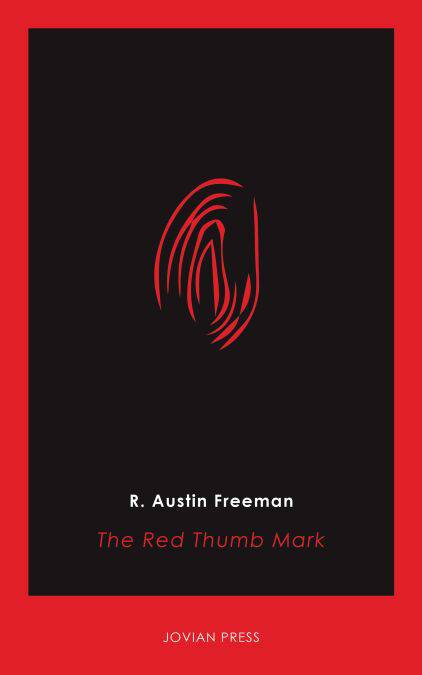
Omschrijving
Richard Austin Freeman (1862-1943) was a British writer of detective stories, mostly featuring the medicolegal forensic investigator Dr Thorndyke. He invented the inverted detective story and used some of his early experiences as a colonial surgeon in his novels. A large proportion of the Dr Thorndyke stories involve genuine, but often quite arcane, points of scientific knowledge, from areas such as tropical medicine, metallurgy and toxicology. His first stories were written in collaboration with Dr John James Pitcairn (1860-1936), medical officer at Holloway Prison and published under the nom de plume "Clifford Ashdown." His first Thorndyke story, The Red Thumb Mark, was published in 1907 and shortly afterwards he pioneered the inverted detective story, in which the identity of the criminal is shown from the beginning: some short stories with this feature were collected in The Singing Bone in 1912. His other works include John Thorndyke's Cases (1909), The Eye of Osiris (1911), The Vanishing Man (1911), The Mystery of 31 New Inn (1912), The Uttermost Farthing: A Savant's Vendetta (1913) and The Cat's Eye (1923).
Specificaties
Betrokkenen
- Auteur(s):
- Uitgeverij:
Inhoud
- Aantal bladzijden:
- 280
- Taal:
- Engels
Eigenschappen
- Productcode (EAN):
- 9781537815015
- Verschijningsdatum:
- 25/01/2018
- Uitvoering:
- E-book
- Formaat:
- ePub


Alleen bij Standaard Boekhandel
Cadeau

AANGERADEN


Beoordelingen
We publiceren alleen reviews die voldoen aan de voorwaarden voor reviews. Bekijk onze voorwaarden voor reviews.