


- Afhalen na 1 uur in een winkel met voorraad
- Gratis thuislevering in België vanaf € 30
- Ruim aanbod met 7 miljoen producten
- Afhalen na 1 uur in een winkel met voorraad
- Gratis thuislevering in België vanaf € 30
- Ruim aanbod met 7 miljoen producten





Omschrijving
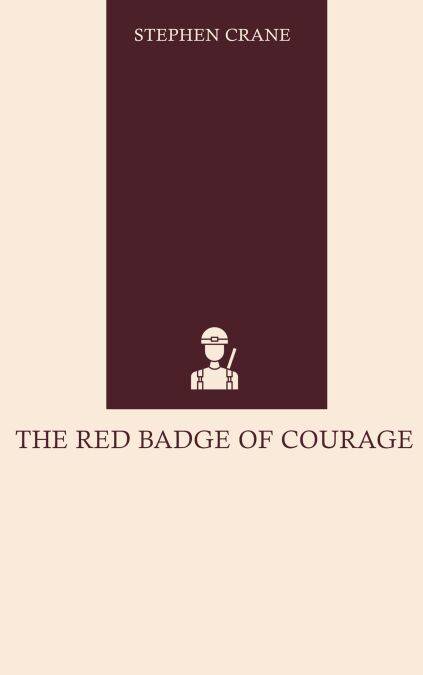
The Red Badge of Courage is a powerful and deeply psychological novel that explores the realities of war through the eyes of a young soldier confronting fear, doubt, and the search for personal courage. Written by Stephen Crane, this classic work is celebrated for its intense realism and its groundbreaking portrayal of the inner experience of combat.
Set during the American Civil War, the story follows Henry Fleming, a young recruit who enlists with romantic notions of glory and heroism. Eager to prove himself, Henry imagines the battlefield as a place where he can demonstrate bravery and earn honor. However, when he is faced with the chaos and terror of actual combat, his expectations are quickly shattered.
Overwhelmed by fear and uncertainty, Henry struggles with his own instincts and the pressure to act courageously. His journey becomes an internal battle as much as an external one, marked by moments of panic, shame, reflection, and determination. The "red badge of courage"—a wound received in battle—comes to symbolize his longing for validation and proof of his bravery.
Crane's narrative stands out for its focus on the psychological landscape of war rather than on grand strategies or heroic exploits. Through vivid imagery and impressionistic detail, he captures the confusion, noise, and emotional intensity of the battlefield. The novel immerses readers in Henry's shifting perceptions, allowing them to experience the fear and exhilaration that define his journey.
As the story unfolds, Henry undergoes a transformation shaped by his experiences and his evolving understanding of courage. He confronts not only the dangers of war but also the complexities of his own character—learning that bravery is not the absence of fear, but the ability to face it.
Themes of fear, identity, pride, and redemption run throughout the novel. Crane challenges traditional notions of heroism, presenting a more nuanced and human portrayal of what it means to be courageous under pressure. His depiction of the ordinary soldier's experience adds depth and authenticity, making the story both relatable and profound.
The Red Badge of Courage remains one of the most influential war novels ever written. Its innovative style and psychological insight continue to resonate with readers, offering a timeless exploration of the human condition in the face of conflict.
Intense, introspective, and vividly written, this classic invites readers to reflect on the true nature of courage—and the personal struggles that define it.
Set during the American Civil War, the story follows Henry Fleming, a young recruit who enlists with romantic notions of glory and heroism. Eager to prove himself, Henry imagines the battlefield as a place where he can demonstrate bravery and earn honor. However, when he is faced with the chaos and terror of actual combat, his expectations are quickly shattered.
Overwhelmed by fear and uncertainty, Henry struggles with his own instincts and the pressure to act courageously. His journey becomes an internal battle as much as an external one, marked by moments of panic, shame, reflection, and determination. The "red badge of courage"—a wound received in battle—comes to symbolize his longing for validation and proof of his bravery.
Crane's narrative stands out for its focus on the psychological landscape of war rather than on grand strategies or heroic exploits. Through vivid imagery and impressionistic detail, he captures the confusion, noise, and emotional intensity of the battlefield. The novel immerses readers in Henry's shifting perceptions, allowing them to experience the fear and exhilaration that define his journey.
As the story unfolds, Henry undergoes a transformation shaped by his experiences and his evolving understanding of courage. He confronts not only the dangers of war but also the complexities of his own character—learning that bravery is not the absence of fear, but the ability to face it.
Themes of fear, identity, pride, and redemption run throughout the novel. Crane challenges traditional notions of heroism, presenting a more nuanced and human portrayal of what it means to be courageous under pressure. His depiction of the ordinary soldier's experience adds depth and authenticity, making the story both relatable and profound.
The Red Badge of Courage remains one of the most influential war novels ever written. Its innovative style and psychological insight continue to resonate with readers, offering a timeless exploration of the human condition in the face of conflict.
Intense, introspective, and vividly written, this classic invites readers to reflect on the true nature of courage—and the personal struggles that define it.
Specificaties
Betrokkenen
- Auteur(s):
- Uitgeverij:
Inhoud
- Aantal bladzijden:
- 162
- Taal:
- Engels
Eigenschappen
- Productcode (EAN):
- 9783034165297
- Verschijningsdatum:
- 19/03/2026
- Uitvoering:
- E-book
- Beveiligd met:
- Digital watermarking
- Formaat:
- ePub



Alleen bij Standaard Boekhandel
Cadeau

AANGERADEN


Beoordelingen
We publiceren alleen reviews die voldoen aan de voorwaarden voor reviews. Bekijk onze voorwaarden voor reviews.