


- Afhalen na 1 uur in een winkel met voorraad
- Gratis thuislevering in België vanaf € 30
- Ruim aanbod met 7 miljoen producten
- Afhalen na 1 uur in een winkel met voorraad
- Gratis thuislevering in België vanaf € 30
- Ruim aanbod met 7 miljoen producten





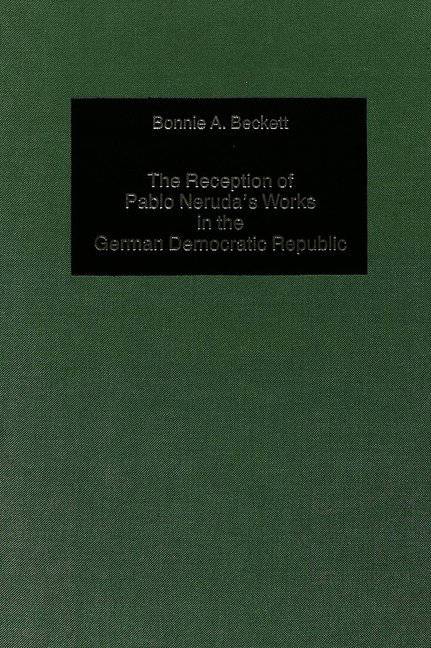
The Reception of Pablo Neruda's Works in the German Democratic Republic
Bonnie A. Beckett
€ 78,45
+ 156 punten
Eenvoudig bestellen
Veilig betalen


Gratis thuislevering vanaf € 30 (via bpost)
Gratis levering in je Standaard Boekhandel
Omschrijving
The study examines in detail the reception accorded to the works of the Chilean poet Pablo Neruda in the GDR. The initial phase of the transmission process took place in the late 1930s and early 1940s when Neruda established contact with leftwing exiles during the Spanish Civil War, subsequently in Mexico City, and in occupied Germany after World War II. The core chapters correlate the changing cultural and political situation in the GDR with the introduction and critical adumbration of Neruda's output. A separate chapter deals with the stage productions of his works, and the conclusion traces briefly the reception of Neruda's works in the Federal Republic of Germany, highlighting the initial contrast and recent convergence of Marxist and non-Marxist criticism of Neruda.
Specificaties
Betrokkenen
- Auteur(s):
- Uitgeverij:
Inhoud
- Aantal bladzijden:
- 258
- Taal:
- Engels
- Reeks:
- Reeksnummer:
- nr. 42
Eigenschappen
- Productcode (EAN):
- 9783261048967
- Verschijningsdatum:
- 31/12/1981
- Uitvoering:
- Hardcover
- Afmetingen:
- 229 mm x 162 mm
- Gewicht:
- 450 g



Alleen bij Standaard Boekhandel
+ 156 punten op je klantenkaart van Standaard Boekhandel
CADEAU

AANGERADEN


Beoordelingen
We publiceren alleen reviews die voldoen aan de voorwaarden voor reviews. Bekijk onze voorwaarden voor reviews.