


- Afhalen na 1 uur in een winkel met voorraad
- Gratis thuislevering in België vanaf € 30
- Ruim aanbod met 7 miljoen producten
- Afhalen na 1 uur in een winkel met voorraad
- Gratis thuislevering in België vanaf € 30
- Ruim aanbod met 7 miljoen producten





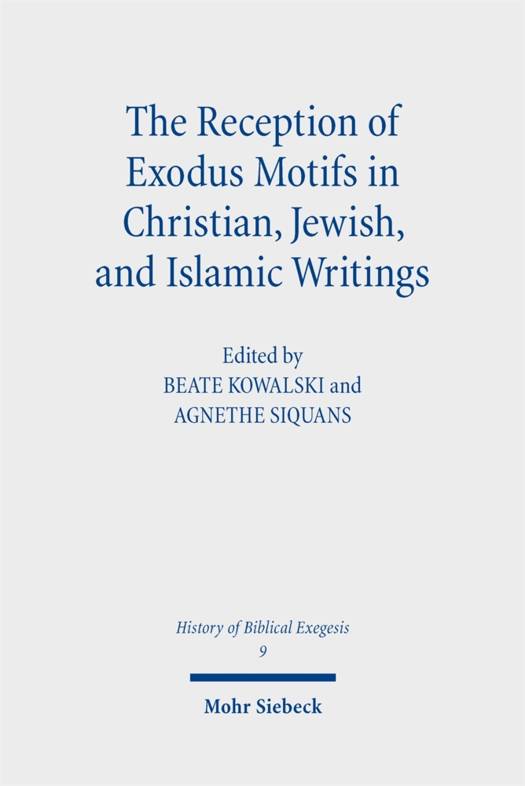
The Reception of Exodus Motifs in Christian, Jewish, and Islamic Writings
€ 93,95
+ 187 punten
Omschrijving
English summary: The Exodus story ranks among the most influential narratives of the biblical tradition. As Israel's foundational story of origin, it has shaped Jewish identity in profound ways, while also exerting major influence on Christianity and Islam. The contributors to this volume trace the diverse strategies by which interpretive communities have appropriated the Exodus for their own identity-formation, theological reflection, and social orientation. While received as a normative and authoritative text, the Exodus account has also posed significant challenges. Difficult passages - such as the hardening of Pharaoh's heart or the ambivalent portrayal of Moses - have demanded interpretive responses, ranging from neglect to creative re-interpretation, as exemplified by the Qur'anic representation of Moses' "white" hand. Beyond textual analysis, the contributors emphasize the cultural settings in which these readings emerged: rabbis and church fathers, Paul and early Muslim thinkers interacted, influenced each other, or sharply demarcated their positions. Thus, the reception history of Exodus not only illuminates theological debates but also offers insights into interreligious relations, processes of identity formation, and the dynamics of cultural boundary-drawing German description: Die Erzahlung des Exodus gehort zu den pragendsten Texten der biblischen Uberlieferung. Als Ursprungsgeschichte Israels hat sie nicht nur judische Identitat grundlegend bestimmt, sondern auch in Christentum und Islam zentrale Wirkung entfaltet. Die Beitrage dieses Bandes zeigen, wie das Exodus-Narrativ in unterschiedlichen religiosen und kulturellen Kontexten als Identitatsmarker fungiert und dabei zugleich theologische wie soziale Herausforderungen impliziert. Einerseits gilt das Buch Exodus als normative und autoritative Schrift, die Orientierung fur Glauben und Lebenspraxis bietet. Andererseits enthalt es schwierige Passagen - wie die Verstockung des Pharao oder kritische Aspekte der Figur Mose -, die die Rezeption immer wieder vor Probleme stellten. Anhand von Beispielen wie der Deutung von Moses' "weisser" Hand im Koran wird deutlich, wie Interpreten kreative Strategien entwickelten, um solche Spannungen produktiv aufzulosen. Im Zentrum der Analysen steht auch die Frage nach den kulturellen Milieus, in denen die Deutungen entstanden: Rabbinen, Kirchenvater oder fruhe muslimische Denker treten miteinander in Dialog oder Abgrenzung, beeinflussen einander oder grenzen sich scharf voneinander ab. So wird sichtbar, dass die Geschichte des Exodus nicht nur ein theologisches Dokument ist, sondern auch ein Schlussel zur Rekonstruktion interreligioser Beziehungen und Identitatsbildungsprozesse.
Specificaties
Betrokkenen
- Uitgeverij:
Inhoud
- Aantal bladzijden:
- 256
- Taal:
- Engels
- Reeks:
Eigenschappen
- Productcode (EAN):
- 9783161643033
- Verschijningsdatum:
- 31/12/2025
- Uitvoering:
- Paperback
- Formaat:
- Trade paperback (VS)
- Afmetingen:
- 155 mm x 231 mm
- Gewicht:
- 231 g

Alleen bij Standaard Boekhandel
+ 187 punten op je klantenkaart van Standaard Boekhandel
Cadeau

AANGERADEN


Beoordelingen
We publiceren alleen reviews die voldoen aan de voorwaarden voor reviews. Bekijk onze voorwaarden voor reviews.