


- Afhalen na 1 uur in een winkel met voorraad
- Gratis thuislevering in België vanaf € 30
- Ruim aanbod met 7 miljoen producten
- Afhalen na 1 uur in een winkel met voorraad
- Gratis thuislevering in België vanaf € 30
- Ruim aanbod met 7 miljoen producten





Omschrijving
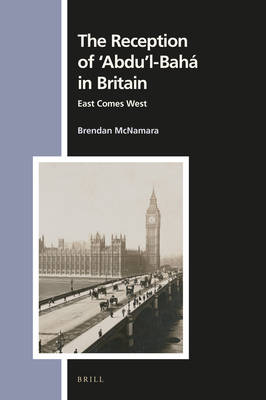
In exploring 'Abdu'l-Bahá's visits to Britain, Brendan McNamara expands the jigsaw of our knowledge of how "the east came west". More importantly, by exploring the visits through the motives of those that received him, The Reception of 'Abdu'l-Bahá in Britain: East Comes West demonstrates that the "cultic milieu" thesis is incomplete. Focusing on a number of well-known Edwardian Protestant reformers, the book demonstrates that the arrival of eastern forms of religions in Britain penetrated more mainstream Christian forms. This process is set within significant developments in the early formation of the study of religions, the rise of science and orientalism. All these elements are shown to be linked together. Significantly the work argues that the advent of World War One changed the direction of new forms of religion leading to a 'forgetfulness' that has lasted until the present time.
Specificaties
Betrokkenen
- Auteur(s):
- Uitgeverij:
Inhoud
- Aantal bladzijden:
- 216
- Taal:
- Engels
- Reeks:
- Reeksnummer:
- nr. 168
Eigenschappen
- Productcode (EAN):
- 9789004440104
- Verschijningsdatum:
- 22/10/2020
- Uitvoering:
- Hardcover
- Formaat:
- Genaaid
- Afmetingen:
- 155 mm x 234 mm
- Gewicht:
- 489 g


Alleen bij Standaard Boekhandel
+ 252 punten op je klantenkaart van Standaard Boekhandel
AANGERADEN


Beoordelingen
We publiceren alleen reviews die voldoen aan de voorwaarden voor reviews. Bekijk onze voorwaarden voor reviews.