


- Afhalen na 1 uur in een winkel met voorraad
- Gratis thuislevering in België vanaf € 30
- Ruim aanbod met 7 miljoen producten
- Afhalen na 1 uur in een winkel met voorraad
- Gratis thuislevering in België vanaf € 30
- Ruim aanbod met 7 miljoen producten





€ 64,95
+ 129 punten
Uitvoering
Omschrijving
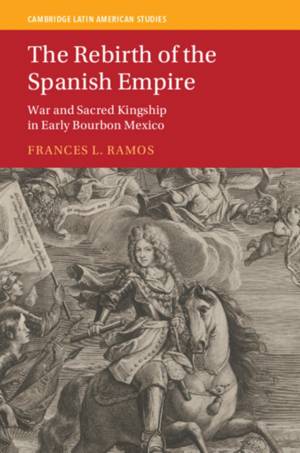
The death of Carlos II in 1700 and the rise of Felipe V to the Spanish throne sparked a global war-and in New Spain, a cultural and political upheaval. As Bourbon loyalists staged elaborate ceremonies and circulated propaganda to legitimize the new dynasty, priests, artists, and local elites reimagined sacred kingship through vivid metaphors of death, rebirth, and regeneration. Sermons, rituals, devotional images, and unofficial texts anchored the new monarchy in familiar religious frameworks, linking the king's body to Christ's and reinforcing loyalty to both Church and Crown. In this contested public sphere, municipalities, religious orders, and colonial officials vied to display their allegiance and shape a renewed vision of empire. Frances L. Ramos's The Rebirth of the Spanish Empire offers a compelling and deeply researched account of how ritual, visual culture, and oratory redefined imperial identity in early eighteenth-century Mexico-illuminating the politics of loyalty and legitimacy during a time of dynastic change.
Specificaties
Betrokkenen
- Auteur(s):
- Uitgeverij:
Inhoud
- Aantal bladzijden:
- 248
- Taal:
- Engels
- Reeks:
Eigenschappen
- Productcode (EAN):
- 9781009648448
- Verschijningsdatum:
- 9/04/2026
- Uitvoering:
- Paperback
- Formaat:
- Trade paperback (VS)
- Afmetingen:
- 152 mm x 229 mm
- Gewicht:
- 340 g


Alleen bij Standaard Boekhandel
+ 129 punten op je klantenkaart van Standaard Boekhandel
Cadeau

AANGERADEN


Beoordelingen
We publiceren alleen reviews die voldoen aan de voorwaarden voor reviews. Bekijk onze voorwaarden voor reviews.