

- Afhalen na 1 uur in een winkel met voorraad
- Gratis thuislevering in België vanaf € 30
- Ruim aanbod met 7 miljoen producten
- Afhalen na 1 uur in een winkel met voorraad
- Gratis thuislevering in België vanaf € 30
- Ruim aanbod met 7 miljoen producten





€ 13,79
+ 13 punten
Uitvoering
Omschrijving
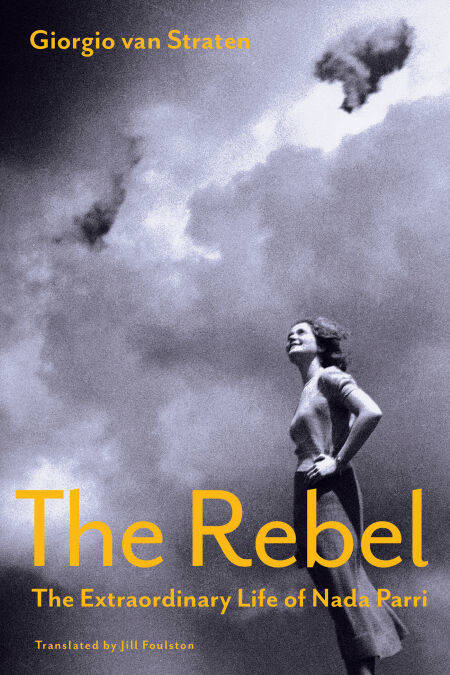
A fiercely brave Italian woman convinces a German soldier to work with the Resistance in this unforgettable World War II love story.
Tuscany, 1940s. At 20 years old, Nada lives as the single mother of a toddler. Her husband has left to fight in Africa, her family is far away, and she knows almost no one in her new home, the seaside town of Marina di Carrara. Hermann, a 40-year-old Nazi soldier, has a family of his own back in Germany.
They meet by chance one winter afternoon on the Tuscan hills and fall in love. They decide to escape together: she from an oppressive family, and he from an army whose values he doesn’t share. They join the Resistenza, full of hope and drunk with love, convinced that the future is on their side.
Giorgio van Straten skillfully retraces Nada and Hermann’s stunning, cinematic history, full of twists and turns, which will leave readers questioning the power of emotion and its consequences: is love a force capable of overwhelming us, even making us risk our lives? Do the great dreams of youth impact our entire existence, or are they destined to become an inexhaustible source of nostalgia and frustration? Can the scars of such overwhelming experiences be hidden and forgotten?
Tuscany, 1940s. At 20 years old, Nada lives as the single mother of a toddler. Her husband has left to fight in Africa, her family is far away, and she knows almost no one in her new home, the seaside town of Marina di Carrara. Hermann, a 40-year-old Nazi soldier, has a family of his own back in Germany.
They meet by chance one winter afternoon on the Tuscan hills and fall in love. They decide to escape together: she from an oppressive family, and he from an army whose values he doesn’t share. They join the Resistenza, full of hope and drunk with love, convinced that the future is on their side.
Giorgio van Straten skillfully retraces Nada and Hermann’s stunning, cinematic history, full of twists and turns, which will leave readers questioning the power of emotion and its consequences: is love a force capable of overwhelming us, even making us risk our lives? Do the great dreams of youth impact our entire existence, or are they destined to become an inexhaustible source of nostalgia and frustration? Can the scars of such overwhelming experiences be hidden and forgotten?
Specificaties
Betrokkenen
- Auteur(s):
- Vertaler(s):
- Uitgeverij:
Inhoud
- Aantal bladzijden:
- 272
- Taal:
- Engels
Eigenschappen
- Productcode (EAN):
- 9781635425901
- Verschijningsdatum:
- 15/02/2027
- Uitvoering:
- E-book
- Beveiligd met:
- Adobe DRM
- Formaat:
- ePub


Alleen bij Standaard Boekhandel
+ 13 punten op je klantenkaart van Standaard Boekhandel
CADEAU

AANGERADEN


Beoordelingen
We publiceren alleen reviews die voldoen aan de voorwaarden voor reviews. Bekijk onze voorwaarden voor reviews.